

I wore the same black t-shirt and jeans combo to a work dinner two years ago, convinced I looked fine. A coworker showed up in almost the exact same outfit. She had a gold pendant necklace and a structured bag that somehow made her look like she’d actually tried. I looked like I’d rolled out of bed.
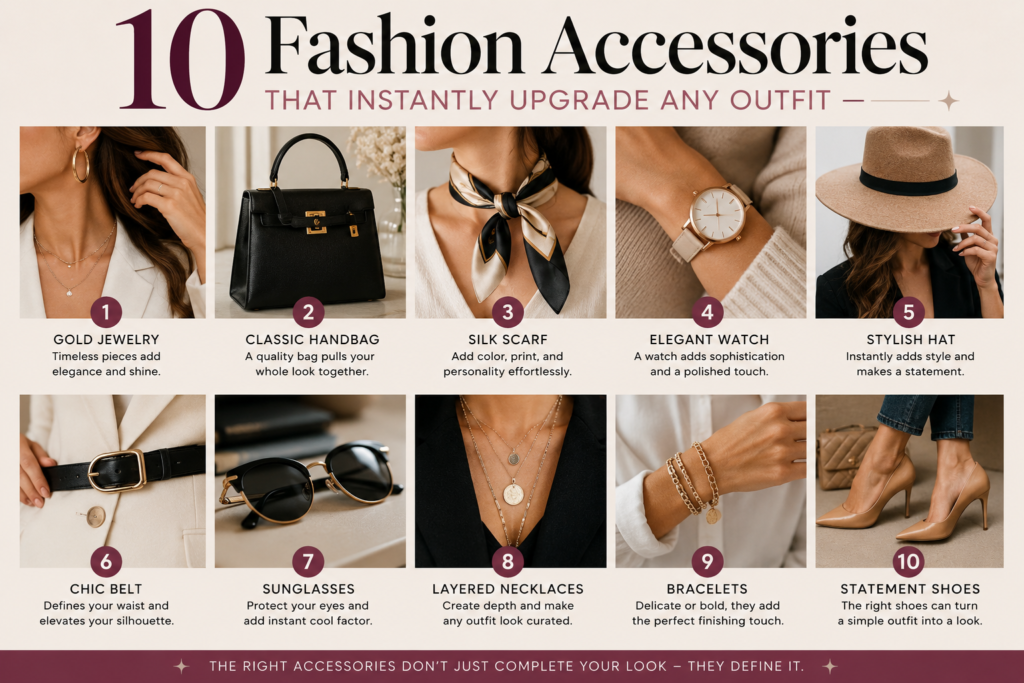
That night bothered me more than it should have. Not because the clothes were wrong, but because I realized the clothes were never really the problem. It was everything I wasn’t wearing on top of them.
I went home and stared at my closet for way too long that night, trying to figure out what exactly separated her outfit from mine. Same colors, similar fit, completely different impression. That gap stuck with me for weeks.
Since then, I’ve spent way too much time testing which accessories actually make a difference and which ones just sit in a drawer looking pretty. This list comes from actual trial and error, several wasted purchases, and a handful of pieces that genuinely changed how my outfits read to other people.
Why Accessories Matter More Than People Think
Clothes set the foundation, but accessories do the actual talking. A plain outfit with the right accessory looks intentional. The same outfit with nothing added just looks unfinished.
I used to assume expensive clothing made the biggest difference. Turns out a fifteen dollar scarf changed more outfits for me than any single piece of clothing I’ve bought in the last five years. That realization alone reshaped how I shop now, prioritizing small finishing pieces over another basic tee I probably didn’t need.
Part of this comes down to proportion and contrast. Accessories break up flat outfits, add texture, and draw the eye somewhere specific. Without them, even a well-fitted outfit can read as plain or rushed.
How I Test Whether an Accessory Actually Works
Before buying anything new, I run it through a simple mental checklist that saved me from a lot of regretful purchases.
First, I check if it works with at least three outfits already in my closet. If something only pairs with one specific shirt, it’s not earning its space.
Second, I think about maintenance. A beautiful leather bag that needs constant conditioning isn’t practical if life is already busy enough.
Third, I ask whether it adds contrast or just blends in. A brown belt on brown pants barely registers. Swap those pants for navy instead, and suddenly that same belt creates a clear visual break that actually elevates the outfit.
A fourth question I ask now, learned from more than one regretful purchase, is whether the piece photographs well too. So much of daily life gets documented these days, and a piece that looks flat or gets lost in photos rarely earns repeat wear no matter how nice it looks in person.
The 10 Accessories Worth Adding to Your Rotation
1. A Structured Watch
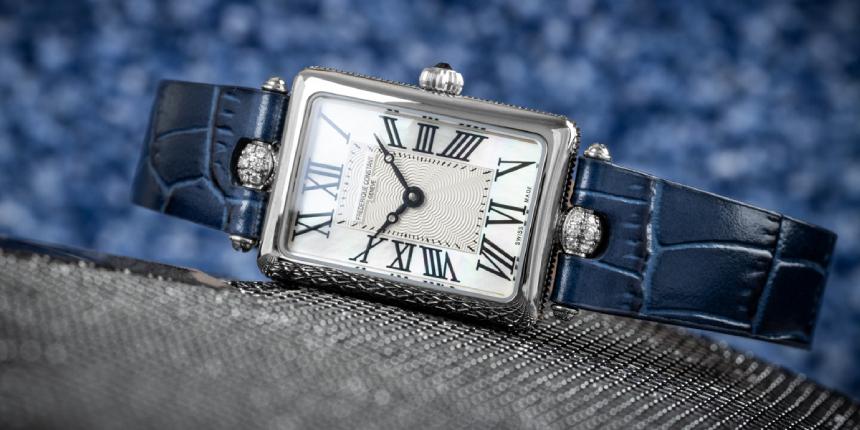
A good watch does more for a casual outfit than most people expect. It signals effort without looking like you tried too hard.
I picked up a simple silver watch from Timex years ago, and it’s outlasted three phones and countless outfit changes. The trick is picking something with a clean face, since busy dials tend to clash with everything else you’re wearing.
Pair it with a slightly rolled sleeve for a casual look, or a full sleeve for something more polished. A leather band works well for fall and winter outfits, while a metal or silicone band feels more natural once warmer weather rolls around.
I also learned the hard way that a watch too large for your wrist looks awkward rather than bold. Trying one on in person, even if you plan to buy online later, saves a lot of guesswork around sizing.
2. A Statement Necklace
One bold necklace changes an entire outfit faster than almost anything else on this list. A plain crewneck or button-down instantly looks styled once a chunky chain or pendant sits on top of it.
My first attempt at this went badly. I layered three thin necklaces together, thinking more meant better. It looked cluttered and tangled within an hour. One solid piece works far better than several competing for attention.
Brands like Mejuri and Madewell offer solid mid-range options if you’re not ready to commit to fine jewelry prices yet. A gold chunky chain works especially well against darker colored tops, while a simpler pendant tends to suit lighter, softer fabrics better.
Keeping the neckline of your top in mind matters too. A high collar hides most of the necklace, so save statement pieces for crewnecks, v-necks, or button-downs left slightly open.
3. A Quality Leather Belt
Belts get ignored constantly, yet they sit right at the center of most outfits. A cracked, cheap belt drags down an otherwise solid look faster than almost any other accessory mistake.
Fossil and Allen Edmonds both make belts that last years without peeling or fading. Matching your belt to your shoes remains a simple rule that instantly makes an outfit feel more coordinated. Breaking that rule occasionally with a contrasting color adds personality too.
4. Sunglasses With Real Personality
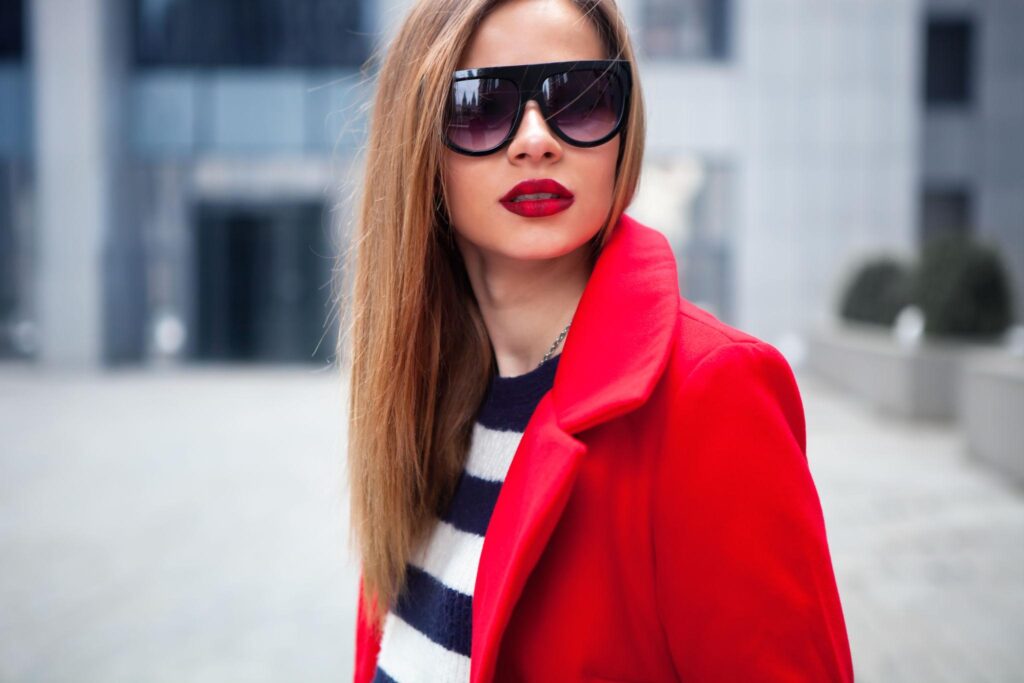
Cheap sunglasses usually look cheap, even from a distance. Investing in a pair with a distinct shape, whether that’s classic aviators or a bolder cat-eye frame, changes how an entire outfit reads.
Ray-Ban remains a reliable starting point if you want something classic. Warby Parker offers more budget-friendly options with plenty of shape variety if aviators aren’t your style.
Face shape genuinely matters here more than trend cycles do. Rounder faces tend to benefit from angular frames, while sharper, more angular faces often look better softened by rounder shapes. A quick try-on session, even at a mall kiosk, beats guessing blindly from online photos.
5. A Structured Tote or Crossbody Bag
Bags carry function first, but the right one carries style just as easily. A structured bag reads more put-together than a slouchy canvas tote, even if both cost the same amount.
I made the mistake of buying an oversized bag for everyday use, thinking bigger meant more useful. It ended up looking bulky with fitted outfits and threw off my whole silhouette. A mid-sized structured bag from somewhere like Madewell or Coach solved that problem completely.
Color matters more than people expect too. A neutral bag in black, tan, or cognac pairs with nearly everything. Save bold colors for an occasional statement piece rather than a daily default. Having at least one of each covers most situations without overloading a closet.
6. A Silk or Patterned Scarf
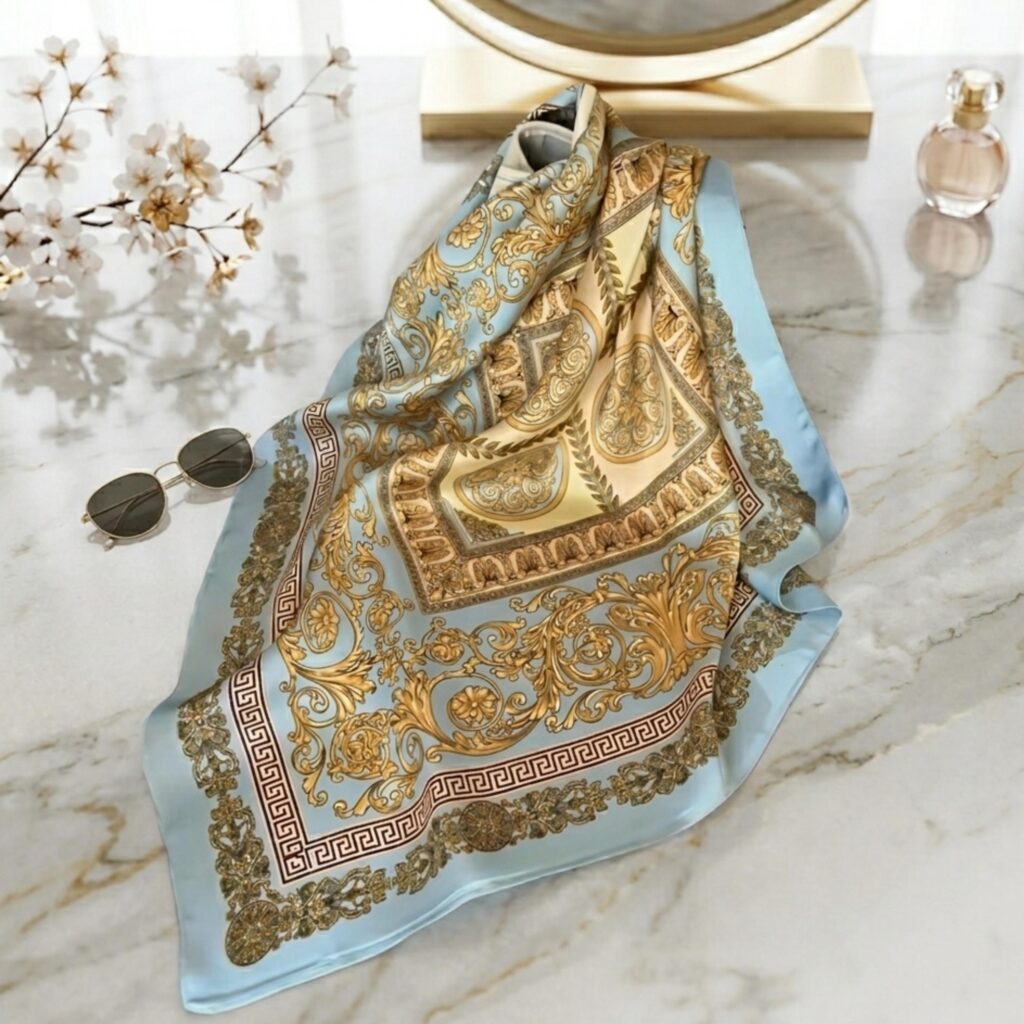
Scarves might be the most underrated accessory on this entire list. Tied around the neck, looped through a bag handle, or worn as a headband, a scarf adds color and texture instantly.
A fifteen dollar patterned scarf from Zara completely transformed a plain white outfit I’d worn dozens of times before. Suddenly it looked new again without spending anything on actual clothing.
There are a handful of easy ways to wear one if you’ve never tried before. A simple knot at the front of the neck works for most casual outfits. Looping it once around the neck and letting the ends hang loose feels more relaxed. Tying it around a bag strap adds a pop of color without committing to wearing it directly.
7. Layered Rings
A single ring barely registers visually. Two or three layered together on different fingers create a noticeably more finished, intentional look.
Mixing metals used to feel like a fashion mistake, but it’s become one of the easiest ways to make simple rings look curated rather than random. Gold and silver together read as deliberate now, not careless.
A good starting point is one thin band, one slightly thicker signet-style ring, and one with a small stone or texture. Spreading them across two or three fingers rather than stacking everything on one avoids a cluttered, overloaded look.
8. A Wide-Brim or Structured Hat
Hats do double duty, protecting you from sun while completely changing an outfit’s whole vibe. A structured fedora or a wide-brim sun hat adds instant polish to something as simple as jeans and a plain top.
I avoided hats for years, convinced they didn’t suit my face shape. Trying on a dozen different styles at a local shop finally proved that assumption wrong. Testing shapes in person before buying online saves a lot of returns.
A structured hat also solves the classic bad hair day problem while somehow looking intentional instead of like a cover-up. That alone made it worth keeping one by the door for rushed mornings.
9. A Statement Bracelet or Cuff
A single wide cuff bracelet or a stack of thinner bangles adds movement and detail to bare wrists, especially with short sleeves or rolled cuffs.
Cuffs work particularly well with structured, minimal outfits, since they add a bit of edge without overwhelming a simple base look. A plain black outfit with one bold cuff instantly feels more fashion-forward.
Stacking bangles works best when you keep the widths varied rather than uniform. Three identical thin bangles look flat, while mixing one wider piece with two thinner ones creates visual interest without much effort.
10. A Well-Chosen Pair of Shoes as an Accessory
Shoes function as clothing, sure, but they also work as one of the strongest accessories in any outfit. A bold colored sneaker or a sleek loafer changes the entire tone of an outfit built around neutral basics.
Swapping plain white sneakers for a pair with a subtle color pop gives even the most basic jeans and t-shirt combo a completely different personality. A burgundy pair of Adidas Sambas or a patterned Vans slip-on both work well for this.
Keeping shoes clean matters more than most people realize too. A scuffed, dirty pair undoes whatever styling effort went into the rest of the outfit. Just a quick wipe-down before heading out takes under a minute and makes a noticeable difference.
Step-by-Step Guide to Building an Accessory Routine
Building a solid accessory rotation doesn’t require buying everything at once. A slow, intentional process works better and saves money long term.
Step one: audit what you already own. Lay out every accessory currently sitting in drawers or boxes. A surprising number of people already own more useful pieces than they realize.
Step two: identify gaps, not wants. If every accessory already leans silver, a gold piece adds variety. If everything is delicate and dainty, one bold statement piece balances the collection.
Step three: buy one quality piece before five cheap ones. A single leather belt that lasts five years beats five belts that crack within a year.
Step four: test new pieces with existing outfits immediately. Don’t let a new accessory sit in its packaging. Wearing it within the first week reveals whether it actually earns a permanent spot in the rotation.
Step five: rotate seasonally. Chunky scarves and structured hats work better in cooler months, while lighter jewelry and sunglasses take over as temperatures rise. Storing off-season pieces separately keeps the current rotation feeling fresh instead of overwhelming.
Real Examples From My Own Wardrobe Experiments
A plain gray sweater and jeans combo sat unworn in my closet for months because it felt boring every time I tried it on. Adding a single gold pendant necklace and a structured crossbody bag turned that exact outfit into something I now wear weekly.
A friend of mine swore she couldn’t pull off hats until she tried a wide-brim style at a store instead of guessing online. She texted me a photo an hour later, completely sold on a piece she almost never tried.
Another coworker relied entirely on neutral basics for work outfits, assuming color felt unprofessional. Adding burgundy loafers and a patterned scarf gave her entire wardrobe more personality without buying a single new piece of clothing.
My own brother, who genuinely owned zero accessories beyond a wallet, started with just a simple watch after some convincing. Within a few months he added sunglasses and a leather belt on his own, once he noticed how much more finished his usual outfits looked in photos.
Common Mistakes to Avoid
Buying trendy accessories without checking whether they match your existing wardrobe wastes money fast. A piece that looks great on social media might clash with everything already hanging in your closet.
Overloading an outfit with too many statement pieces at once creates visual chaos instead of polish. A bold necklace, a loud bag, and patterned sunglasses worn together compete for attention rather than complementing each other.
Ignoring proportion causes more outfit failures than people expect. A tiny delicate necklace disappears against a chunky sweater, while an oversized statement piece can overwhelm a simple, fitted top.
Skipping quality on frequently worn pieces backfires quickly. A cheap belt or bag that breaks within months costs more over time than one solid investment piece that lasts years.
Assuming accessories only matter for dressy occasions limits how useful they actually are. Some of the best transformations happen on the most basic, everyday outfits, not just special events.
Forgetting about seasonal appropriateness trips people up too. A heavy wool scarf in summer heat looks out of place no matter how nice it is. Delicate summer jewelry can feel thin and lost under bulky winter layers too. Matching accessory weight to the season keeps everything feeling cohesive year-round.
Budgeting for Accessories Without Overspending
Building an accessory collection doesn’t require a huge budget, despite what certain influencers might suggest.
Starting with one versatile piece per category, a watch, a bag, and a pair of sunglasses, covers most everyday outfit needs without overwhelming a closet or a bank account.
Thrift stores and consignment shops often carry barely-used designer accessories at a fraction of retail price. A leather belt or structured bag found secondhand can outlast several cheap new versions combined.
Sale seasons at retailers like Nordstrom or Madewell offer real opportunities to snag higher-quality pieces without paying full price. Signing up for email alerts through these retailers helps catch markdowns before they sell out.
Setting a simple rule, like replacing rather than adding when a category already feels full, keeps spending in check while still allowing room for new pieces over time.
Borrowing from a friend before committing to a purchase also works well for pieces you’re unsure about. Trying out a bold hat or statement necklace for one event before buying your own version helps confirm whether it actually suits your style, without any financial risk attached.
Matching Accessories to Your Personal Style
Not every accessory on this list needs to make it into your rotation. Picking based on your actual lifestyle matters more than following a trend just because it’s popular.
Someone working a corporate job might get more mileage from a quality watch and structured bag. Stacked layered rings could catch on keyboards or paperwork all day, so they may not fit that setting as well. A creative field, on the other hand, often has more room for bold statement pieces without raising eyebrows.
Think about your daily routine before committing to a piece. A delicate necklace that needs constant adjusting isn’t practical for someone chasing kids around all day, while a sturdy cuff or simple stud earrings hold up better under that kind of movement.
Personal comfort matters just as much as style rules. An accessory that looks perfect but feels irritating to wear rarely gets worn more than once or twice before it disappears into a drawer.
Climate plays a role too. Humid summers make heavy metal jewelry feel sticky and uncomfortable fast. Lighter materials like resin or wood beads often work better during hotter months, while metal and leather pieces shine once temperatures drop.
Frequently Asked Questions
How many accessories should I wear at once?
A general rule keeps things to three or fewer statement pieces per outfit. Combining a watch, a necklace, and one bold ring usually stays balanced, while adding sunglasses and a loud bag on top risks visual overload.
Do accessories need to match exactly?
Matching exactly often looks dated rather than polished. Coordinating tones, like mixing warm metals together or sticking to a consistent color family, reads more intentional than a perfectly matched set.
What’s the single best accessory to start with if I own almost none?
A quality watch or a versatile crossbody bag tends to offer the most everyday value, since both work across casual and slightly dressed-up outfits without needing much thought.
Can accessories really replace buying new clothes?
Not entirely, but they stretch an existing wardrobe further than most people expect. A handful of well-chosen accessories can make the same ten outfits feel like twenty different looks.
Final Thoughts
That work dinner years ago ended up being a strange kind of turning point. It wasn’t really about looking fancier. The real lesson was realizing how much a few small, intentional choices could change the way an entire outfit came together.
None of these ten pieces require a complete wardrobe overhaul or a huge budget. A watch here, a scarf there, one good bag that replaces three mediocre ones. Small additions, tested slowly, add up to something that actually feels like your own style instead of a copy of someone else’s.
Looking back, that coworker’s outfit wasn’t actually better than mine in any meaningful way. The clothes underneath were nearly identical. What set hers apart came down entirely to a couple of small, deliberate finishing touches, the kind most people walk past in a store without a second glance.
Pick one accessory from this list that’s been sitting on a wish list too long. Try it with something already hanging in the closet before buying anything new to pair with it. The outfit sitting there might already be better than expected, just waiting on one small addition to pull it together. That coworker’s necklace probably cost less than she’d admit, and mine sat unbought for another two years before I finally figured that out.