

I bought my first “Harajuku style” outfit off a random website years ago, convinced I finally understood Japanese fashion. It arrived looking nothing like the photos, covered in random English words that made no sense, and somehow managed to combine three completely different styles into one confused outfit. I wore it once to a con and felt like a walking costume rather than someone dressed in an actual style.
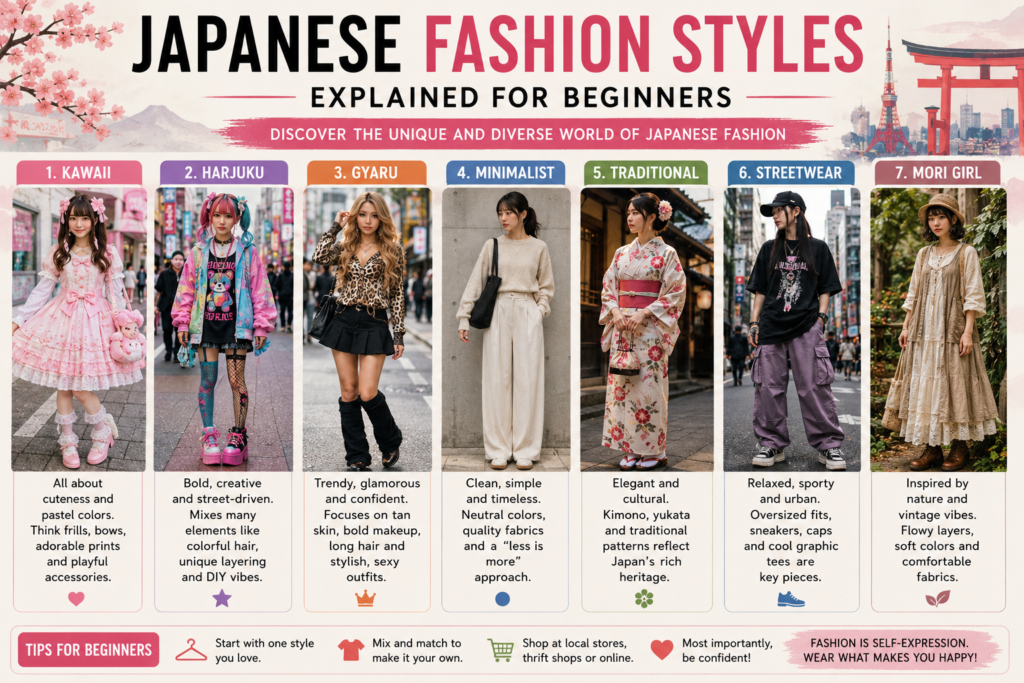
That embarrassing purchase sent me down a rabbit hole trying to actually understand what these styles meant, where they came from, and why my attempt missed the mark so badly. Turns out Japanese fashion is not one single aesthetic. It is a huge collection of distinct styles, each with its own history, rules, and community.
A lot of beginners make the exact mistake I did. They see one photo labeled “Japanese street fashion” and assume it represents everything, when really that photo probably only captured one tiny corner of a much bigger picture.
It took months of digging through old magazine scans, forum threads, and secondhand shopping sites before the different styles actually started making sense as separate things rather than one blurry category. Along the way, plenty of assumptions got proven wrong, and a few genuinely surprised me once I understood the actual history behind them.
This guide breaks down the major styles in plain language, without the jargon-heavy explanations that made this topic so confusing when I first started researching it myself.
Why Japanese Fashion Feels So Overwhelming at First
Searching online for Japanese fashion dumps an overwhelming mix of styles into one feed, often mislabeled or mixed together by accounts chasing engagement rather than accuracy. Pinterest boards blend Lolita with Gyaru with streetwear, making it nearly impossible for a beginner to tell where one style ends and another begins.
Language barriers add another layer of confusion. Many of these style names come directly from Japanese terms that get translated inconsistently across different blogs and forums, leading to conflicting explanations depending on which source gets found first.
The styles also evolved over decades, with some fading out of popularity while new ones emerged to replace them. What Harajuku looked like in the 1990s barely resembles what shows up in Harajuku today, which trips up anyone relying on outdated photos or old magazine scans for reference.
The Mistake That Taught Me the Most
That confused outfit I mentioned earlier taught me a valuable lesson about mixing styles without understanding their actual rules. Combining Decora accessories with Gothic Lolita silhouettes and random streetwear pieces created something that looked chaotic rather than intentional, since each style actually follows a fairly specific set of guidelines once properly understood.
Buying based on keyword-stuffed product titles from overseas sellers backfired repeatedly before I learned to research styles properly first. Plenty of items labeled “kawaii Japanese style” on general shopping sites have nothing to do with any actual Japanese fashion movement, existing purely as a marketing term to sell to unfamiliar buyers.
Assuming every style required extreme, costume-like pieces also held me back from trying anything for a long time. Several of these styles work perfectly well with subtle, everyday pieces, which surprised me once I finally understood the difference between an everyday version and an extreme runway version of the same aesthetic.
The Major Japanese Fashion Styles Explained
Here is where things get specific. Each style below includes its core look, where it came from, and how a beginner can realistically try it without overspending or misunderstanding the aesthetic.
Harajuku Style
Harajuku is not actually a single style at all, despite how often it gets used that way online. It refers to the Harajuku district in Tokyo, historically home to a huge mix of different street fashion styles that all overlapped in the same physical location.
Takeshita Street became the epicenter of this fashion scene starting in the 1990s, drawing teenagers experimenting with bold colors, mixed patterns, and rule-breaking combinations that pushed against traditional Japanese fashion norms. Magazines like FRUiTS documented these looks extensively during the style’s peak years.
Beginners often use “Harajuku style” loosely to describe any bold, colorful outfit mixing multiple patterns and accessories. A more accurate approach involves picking one of the specific styles below that actually originated or gained popularity within that district, rather than treating Harajuku itself as a single aesthetic.
Lolita Fashion
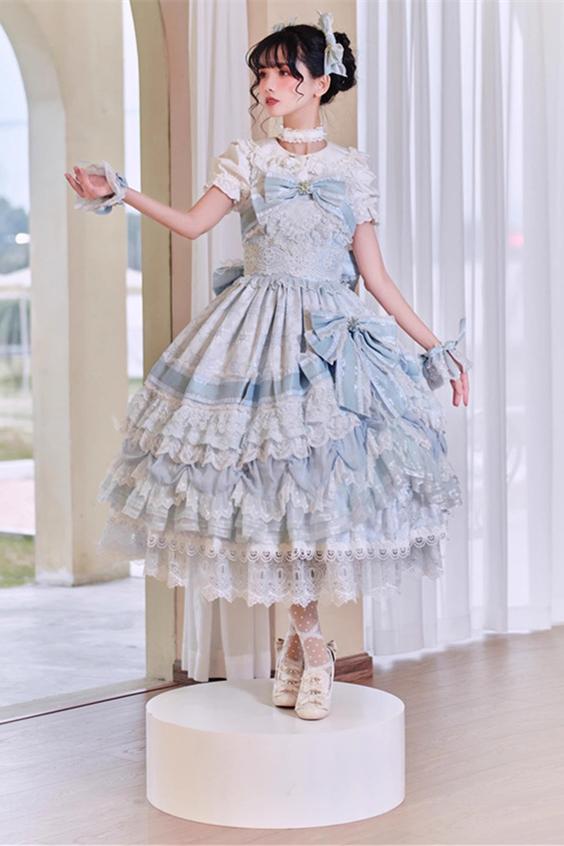
Lolita fashion draws heavily from Victorian and Rococo era clothing, focusing on modest, elegant silhouettes built around knee-length skirts, blouses, and structured petticoats for volume. Despite the name, this style has nothing to do with anything inappropriate, and the community actively pushes back against outside misconceptions about the name’s origin.
Several subcategories exist within Lolita fashion. Sweet Lolita leans into pastel colors and cute motifs like bows and lace. Gothic Lolita incorporates darker colors and more dramatic silhouettes. Classic Lolita favors muted, sophisticated tones closer to actual historical fashion.
Brands like Angelic Pretty and Baby the Stars Shine Bright anchor the higher end of this style, though beginners often start with more affordable alternatives from brands like Bodyline before investing in pricier pieces once they confirm the style genuinely fits their taste.
Gyaru Style
Gyaru style flips traditional Japanese beauty standards entirely, favoring tanned skin, heavily styled hair, dramatic makeup, and glamorous, body-conscious outfits. The style emerged partly as rebellion against conservative expectations placed on young Japanese women during the 1990s.
Several subcategories branch off from mainstream Gyaru, including Ganguro, which pushes tanned skin and bold makeup to extreme, high-contrast levels, and Hime Gyaru, which blends the glamorous Gyaru base with princess-inspired accessories and hairstyles.
False eyelashes, colored contacts, and specific makeup techniques play a huge role in completing this look, arguably more than the clothing itself. Shibuya became closely associated with this style, with shopping centers like SHIBUYA109 carrying brands catering directly to the Gyaru aesthetic.
Mori Kei
Mori Kei translates roughly to “forest style,” built around loose, layered, earth-toned clothing meant to evoke someone who lives quietly among trees and nature. Think flowing skirts, oversized cardigans, and natural fabrics like linen and cotton in muted, autumnal colors.
This style stands out from most others on this list for its relaxed, low-maintenance approach compared to the more elaborate styles like Lolita or Gyaru. Layering pieces from thrift stores or general retailers often works perfectly fine, since Mori Kei relies more on silhouette and color palette than specific branded pieces.
Beginners drawn to a cozy, understated aesthetic often find Mori Kei the easiest entry point into Japanese fashion overall, since many existing wardrobe pieces can get repurposed with the right styling adjustments.
Visual Kei
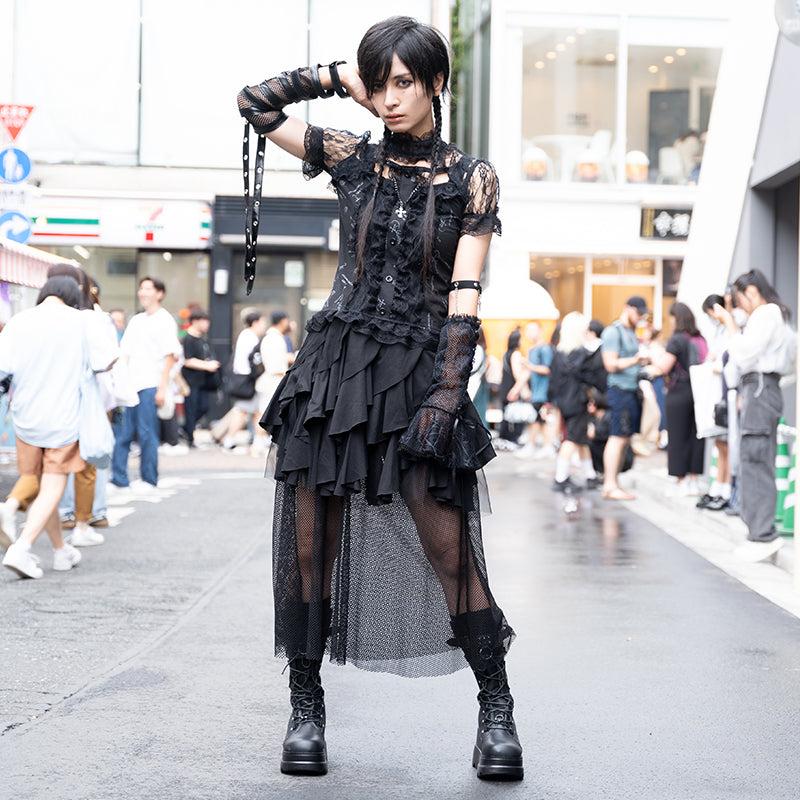
Visual Kei grew out of the Japanese rock music scene, characterized by dramatic makeup, elaborate hairstyles, and androgynous, theatrical outfits inspired by bands like X Japan and Dir en Grey. This style blurs gender norms heavily, with both male and female performers embracing exaggerated glam looks.
Leather, lace, chains, and dramatic silhouettes define the clothing side of this aesthetic, often paired with striking hair colors and elaborate eye makeup. Unlike some other styles on this list, Visual Kei ties closely to specific music subcultures rather than existing purely as a fashion movement.
Trying this style typically starts with picking one or two dramatic pieces, like a structured jacket or statement boots, rather than attempting the full stage-level look immediately.
Decora Style
Decora style piles on as many colorful accessories as physically possible, layering hair clips, stickers, toys, and bright plastic jewelry over relatively simple base clothing. The name comes from “decoration,” which perfectly describes the entire philosophy behind this look.
Base outfits usually stay fairly plain, often just colorful t-shirts and leggings, allowing the sheer volume of accessories to become the actual statement. This makes Decora surprisingly beginner-friendly from a clothing standpoint, since most of the investment goes toward small, inexpensive accessories rather than specific garments.
Shops in Harajuku specializing in colorful hair clips and small toys became closely tied to this style during its peak, and similar accessories remain easy to find through general craft stores or online marketplaces today.
Yankee Style
Yankee style borrows visual cues from Japanese delinquent subculture, featuring modified school uniforms, permed hair, and an intentionally rough, rebellious presentation. This style carries more cultural baggage than most others on this list, tied closely to a specific youth subculture from past decades.
Longer skirts worn dramatically low, altered blazers, and an overall exaggerated version of school uniform pieces define the clothing side of this look. Beginners outside Japan rarely attempt full Yankee style, since it ties so specifically to Japanese school culture and history.
Understanding this style mostly serves educational value for beginners, offering context for a distinct piece of Japanese fashion history rather than something commonly replicated as a personal everyday style.
Genderless Kei
Genderless Kei emerged more recently, built around soft, androgynous looks that deliberately blur traditional masculine and feminine fashion boundaries. Influencers like Genking helped popularize this style, combining makeup, pastel colors, and unisex silhouettes into a distinctly modern aesthetic.
Oversized sweaters, soft color palettes, and subtle makeup work regardless of gender define this look, making it one of the more accessible styles for beginners interested in a gentler, less dramatic entry point into Japanese fashion.
This style overlaps somewhat with broader global androgynous fashion trends, though Genderless Kei carries its own specific visual identity rooted in Japanese pop culture and beauty standards.
Cult Party Kei
Cult Party Kei blends vintage, dreamy elements with subtle religious and folklore-inspired motifs, favoring cream and pastel colors, lace details, and layered vintage-style pieces. This style stays quieter and more understated compared to louder styles like Decora or Gyaru.
Thrifted vintage pieces work particularly well for building this aesthetic, since the style already leans toward secondhand, slightly worn textures rather than crisp, new clothing. Small accessories like crosses, keys, or vintage-style jewelry complete the overall dreamy atmosphere this style aims for.
Larme Kei
Larme Kei takes its name from a Japanese fashion magazine and centers around soft pink tones, dreamy makeup, and a slightly more polished, feminine take on cute fashion compared to some louder alternatives. Think soft pastels paired with subtle sparkle rather than bold, saturated colors.
This style works well for beginners wanting something cute without committing to the more elaborate construction required by Lolita fashion, since Larme Kei relies more on color coordination and soft styling than specific structured garments.
Ura-Harajuku Streetwear
Ura-Harajuku refers to the back streets of Harajuku, associated with a more edgy, streetwear-focused scene compared to the pastel, cute styles found elsewhere in the district. Brands like A Bathing Ape and Undercover trace their roots to this specific scene, blending Western streetwear influence with distinctly Japanese design sensibilities.
Oversized graphic tees, statement sneakers, and layered outerwear define this look, and beginners can often build a solid starting outfit through mainstream streetwear retailers before investing in the pricier, harder to find grail pieces this scene is known for.
Dolly Kei
Dolly Kei draws inspiration from European folklore, fairy tales, and antique clothing, resulting in a heavily layered, vintage-inspired look built around dark, muted colors and worn-in textures. This style feels closer to costume design than typical streetwear, favoring long skirts, embroidered vests, and antique-style jewelry.
Thrift stores and vintage shops remain the best sourcing option for this aesthetic, since the entire style depends on pieces that already look aged and storied rather than crisp and new off the rack.
Step-by-Step: How to Actually Try Any of These Styles
Picking a style only solves half the challenge. Actually building an outfit that feels authentic rather than costume-like requires a bit of process.
Research One Style Thoroughly Before Buying Anything
Spend time on Pinterest, Instagram, or dedicated forums like Lolita Fashion communities on Reddit studying multiple outfit examples within just one style before purchasing anything. This prevents the exact mistake I made early on, mixing incompatible elements from different aesthetics into one confused outfit.
Start With Base Pieces Before Accessories
Every style has a foundational silhouette that needs to feel right before accessories get added on top. Building the base outfit first, then layering in style-specific accessories afterward, creates a far more cohesive result than starting with accessories and working backward.
Shop Secondhand Before Committing to Expensive Brands
Platforms like Mercari Japan and Rakuten often carry secondhand pieces from dedicated brands at a fraction of retail price. Facebook groups dedicated to specific styles, like Lolita fashion buy-sell-trade communities, also offer secondhand options for beginners unsure whether a style will stick long term.
Learn the Makeup and Hair Side, Not Just Clothing
Several of these styles, especially Gyaru and Visual Kei, rely heavily on makeup and hair styling to complete the overall look. YouTube tutorials specific to each style help bridge this gap, since generic makeup tutorials rarely cover the specific techniques these aesthetics require.
Join a Community Before Fully Committing
Online communities dedicated to specific styles offer feedback, sourcing advice, and a much clearer sense of what an authentic outfit within that style actually looks like. Discord servers and dedicated subreddits exist for nearly every style covered here, offering direct access to people already experienced with that particular aesthetic.
Real Examples From My Own Wardrobe Experiments
My first successful attempt after that disastrous initial purchase involved Mori Kei, mostly because it required the least specialized shopping. A loose linen dress from a regular clothing store, paired with a thrifted cardigan and simple flat shoes, actually captured the aesthetic without needing any specialty brands at all.
Trying Lolita fashion took considerably more research and budget. My first proper outfit came from Bodyline, a more affordable brand that let me test whether the style genuinely suited me before investing in pricier options from brands like Angelic Pretty later on.
A friend who got into Gyaru style spent more time and money on makeup products than actual clothing, which surprised both of us initially. False lashes, specific foundation shades for the tanned look, and hair styling tools ended up costing more than her entire clothing budget for that aesthetic combined.
Common Mistakes Beginners Make
Mixing multiple styles into one outfit without understanding their individual rules creates the exact chaotic look I experienced with my first purchase. Each style follows specific guidelines around silhouette, color, and accessories that do not always combine well with elements borrowed from a completely different aesthetic.
Buying from overseas sellers using vague, keyword-stuffed listings often results in items that have nothing to do with the actual style being searched for. Researching specific brand names associated with each style helps avoid this trap far more reliably than generic keyword searches.
Assuming every style requires extreme, runway-level commitment discourages plenty of beginners before they even try. Toned-down, everyday versions of nearly every style covered here exist and remain perfectly valid ways to participate without full costume-level investment.
Ignoring the cultural context behind certain styles, particularly Yankee style, risks coming across as disrespectful rather than appreciative. Understanding where a style comes from matters just as much as understanding how to wear it correctly.
Skipping the makeup and hair component for styles that depend heavily on it, like Gyaru or Visual Kei, often leaves an outfit feeling incomplete regardless of how accurate the clothing itself looks.
Overspending too fast on an untested style ranks among the more expensive mistakes beginners make. Buying a full wardrobe of pricey brand pieces before confirming genuine long-term interest often leads to a closet full of barely worn items once initial excitement fades.
Quick Answers to Common Questions
Do I need to travel to Japan to try these styles properly?
Not at all. Many brands ship internationally, and platforms like Mercari Japan, combined with proxy shopping services, make it possible to access most of these styles from almost anywhere without ever visiting Tokyo.
Which style is the cheapest to start with?
Mori Kei and Genderless Kei tend to work well on a limited budget, since both rely more on general clothing pieces and color coordination than expensive, brand-specific garments.
Is it disrespectful to try these styles if I am not Japanese?
Generally not, as long as genuine research and respect for the style’s origins come along with the effort. Most communities around these styles welcome outside participation, provided newcomers put in real effort to understand the aesthetic rather than reducing it to a costume.
How do I know which style actually fits my personality?
Spending time browsing outfit examples across several styles before buying anything usually reveals which aesthetic naturally draws repeated attention. That instinct tends to be a more reliable guide than picking based on what looks popular online.
What Ties These Styles Together
Every style covered here shares one thing despite their wildly different visual identities. Each one started as a genuine form of self-expression, often pushing back against more conservative, mainstream expectations placed on how people, especially young people, were supposed to dress and present themselves.
That context matters more than people realize when trying these styles themselves. Wearing any of these looks with actual understanding and respect for their origins feels completely different from throwing together random pieces labeled with a trendy keyword.
Final Thoughts
Japanese fashion covers far more ground than most beginners realize walking in for the first time. What started as one embarrassing, mismatched outfit years ago eventually turned into a genuine appreciation for how specific and intentional each of these styles actually is once properly understood.
Pick one style from this list that genuinely resonates, research it thoroughly, and start with a few affordable base pieces before committing to anything expensive. The community around each of these styles tends to welcome beginners warmly, as long as genuine effort and respect come along with the enthusiasm.
Looking back at that first disastrous outfit now, it almost feels like a necessary step rather than a wasted purchase. Sometimes getting something wrong first is exactly what pushes a person to actually understand what they were trying to do in the first place, and this entire hobby turned out far more rewarding once that understanding finally clicked.