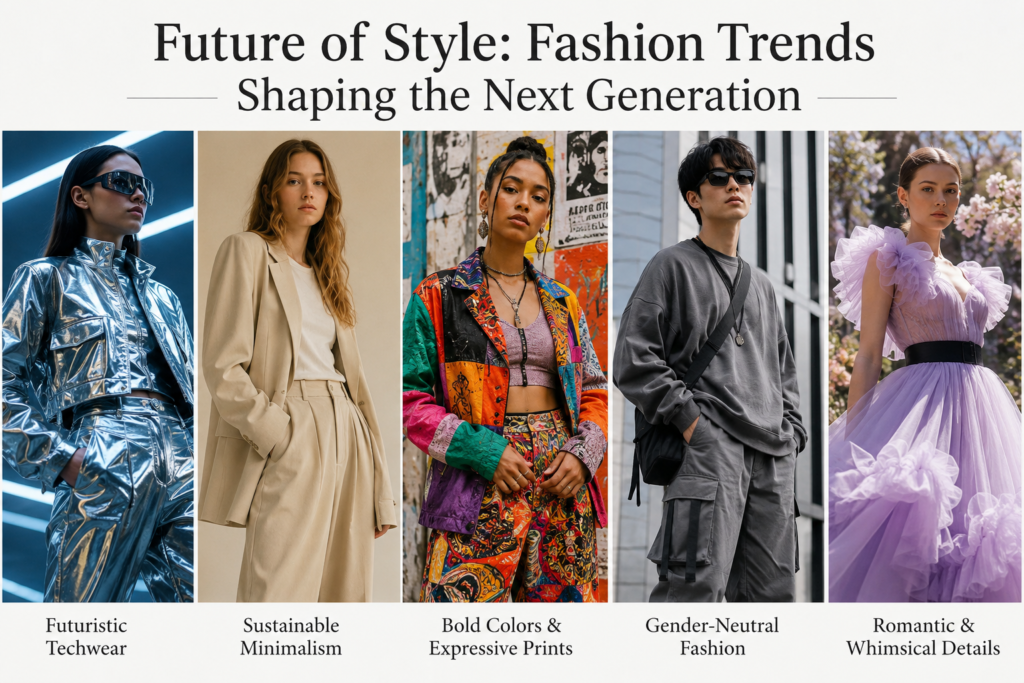

Fashion Trends that will Lead the Next Generation
Last year, my younger cousin came to a family dinner in low-rise jeans, a tiny shoulder bag and butterfly clips in her hair; she fairly walked out of the pages of my own middle school yearbook. I almost said something. Then I remembered I’d ironically worn that same outfit back in 2003, and somehow it was now “vintage-inspired” to a fifteen-year-old who stumbled on it on TikTok but hadn’t borrowed it from her older sister.
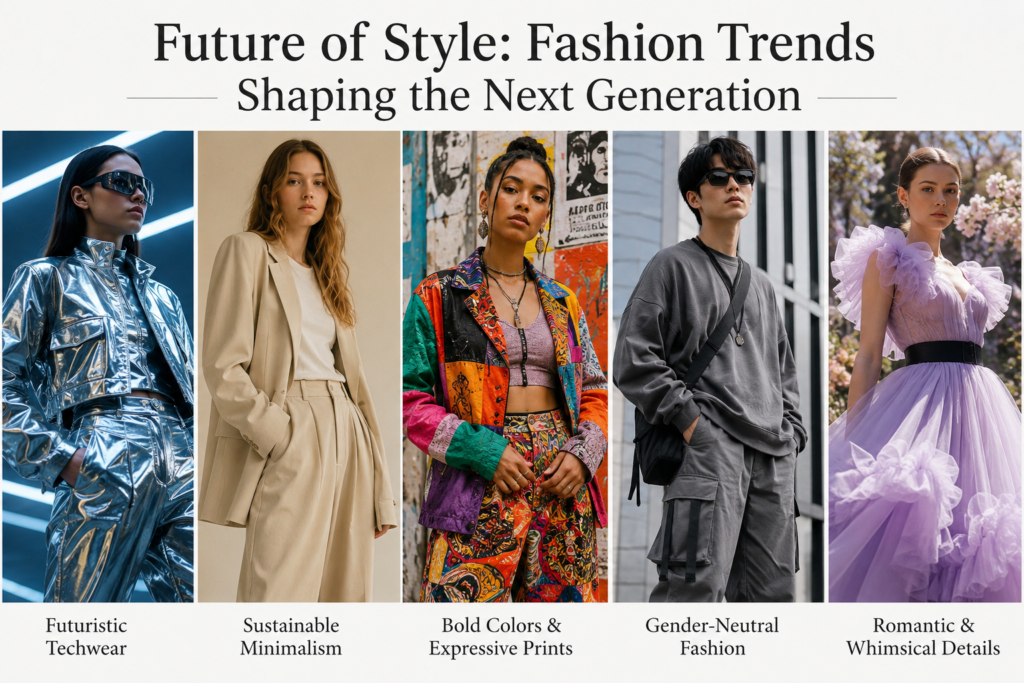
That dinner was the start of a longer obsession for me, seeing how younger generations shopped and dressed and thought about clothes differently than I had been taught to view them. It’s not just now-inserted nostalgia either, even if it is part of it. This next generation of shoppers just has a totally different relationship to clothes, ownership and style identity it seems to me, and I say this as someone who loves following trends from the perspective of mom trying to figure out how best to shop for her teen or just a person taking stock in where fashion really going.
Here is what I had learned from watching this transformation closely as well some assumptions to shed along the way.
This Time, Its Gen Z That Feels Different
Each generation reckons that the next one is outlandishly dressed. Which makes that basically a law of nature at this point. Yet a few things about the present shift seem structurally unlike previous style cycles, less a matter of aesthetics than self-organization.
Perhaps the foremost is in how the act of secondhand shopping transitioned from being a matter of economic survival to becoming an actual cultural identity marker. I was brought up with the assumption that thrift stores equated to having no money. Seeing the way younger shoppers wear their secondhand finds like a flex, something to display rather than be embarrassed about this completely rewired my brain around resale shopping.
The second major change is driving speed. It would take months, if not years, for trends to migrate from runway to the masses. A single video can now sell out a particular jacket or shoe within days then go on to the next item just as quickly. That speed alters the relationship people have with trends, much less long-term investments and more short-term accessories.
What This New Wave Of Dress Is Actually Riding Off
Thrift as craft, not a last resort
I remember thrift stores as a place to go when you were too poor for the mall. In watching my cousin and her friends approach a thrift haul with, like, real actual glee at an endorphin-fueled passion worthy of filming and posting real life to it dawned on me that both emotionally for shoppers behind the camera (and maybe in front) your entire emotional relationship to second-hand shopping has reversed.
Much of this boils down to rarity. There is no shortage of trends circulating online and the reality is that digging out a classic piece from a thrift store makes for a far more unique experience than that hot new purchase you see flooding social media. I went thrift shopping with this mindset myself, avoiding situations where I treated thrift as a cheap alternative rather than unique hunting and seriously found things that were much more interesting than what I would have purchased new this month.
A complete shopping ecosystem, not a side gig for resale apps
Applications such as Depop, Vinted and Poshmark have long since felt like a quirky corner of the internet for bargain sale garments. To younger shoppers these platforms are instead become a core shopping destination, rather than the fall back option. Scouring these feels more like a legitimate treasure hunt than flipping through used clothes.
I ventured onto Depop after being inundated with mentions from my cousin, but was astounded at how social the experience felt rather than a regular online shop, it was more akin to scrolling through a wardrobe-inspired version of Instagram. The sellers create their own followings and the buyers respond to posts and comment it seems like a much more active resale experience than I thought it would be.
The acceleration and strange nature of nostalgia trends
The return of Y2K-style fashions while not surprising in and of itself (every era circles back eventually) is especially newsworthy, because: le 2000s. How this happened was shocking because it was so fast and pointed, reviving specific artifacts of the ’90s and 1990s VHS hits, like low-rise jeans and butterfly clips just a decade or a few years after they first went out of style, much quicker than what I thought to be the typical twenty-year nostalgia cycle that kept my head in check growing up.
The cycle appears to be compressing given social media. It only takes one viral video that references a trend from years ago and it can come back with gracing speed, instead of slowly being rediscovered in the way trends used to come back.
Not the Exception, But the Rule: Gender-fluid and Unisex Clothing
I saw this change more and more, mainly by observing younger family members buying. Looked at in terms of the silhouettes making gains, what was once a somewhat niche or alternative choice (oversized shirts, unisex; clothing not explicitly marketed towards one gender) has changed into something approaching the mainstream default for a lot of younger shoppers.
This isn’t so much a “trend” per se, but rather something of a reclassification and/or marketing shift in clothing categories from the onset. Brands that once separately design for men and women’s respectively are slowly merging those lines, which is in-tune with an already more flexible approach to style from emerging generations.
How AI-Driven Personalization is Reshaping the Way People Discover Clothes
This one genuinely surprised me. Many younger shoppers are discovering new fashions through algorithm-powered feeds rather than traditional shopping, where an app learns a buyer’s style preferences and serves more customized recommendations over time.
After a few searches, I made a more concerted effort to pay attention to how shopping apps suggested products to me and it really is rapidly getting down-you-know-me personalized. That shifts the entire discovery process, from “shopping in a store” to “scrolling through a feed that already sort of knows what I like,” and that’s a totally different user experience about shopping from how I grew up doing it.
HOW I LEARNED TO CHANGE MY OWN SHOPPING HABITS – A STEP-BY-STEP APPROACH
Observing younger shoppers made some of my habits change as well. But here’s how I went about attempting to do some of these things rather than just watching from afar.
Step one: I went thrifting with a specific target in mind. Rather than browsing through most of a thrift store feeling daunted like I always did, I would go in looking for one or two types of clothes jackets, jeans and that made the whole ordeal much more manageable and worthwhile.
Step two: create an account on a resale app and used it consistently. I signed up for Poshmark and got into the habit of checking it before buying something new, which sharply reduced the total number of full-price impulse buys.
Third step: Selling other stuff instead of donating everything. I prescribed to the now sacrificed, upcoming practices of reselling clothes I am no longer wearing over donating first and foremost, helping me recover some money while being able to keep usable clothing in circulation rather adding it into a donation bin only make this disappear completely.
Step four : I observed what kept appearing on my recommendations. When I noticed the app’s algorithm favouring a style over and over, instead of ignoring it, I had helpful insights about my own tastes.
Step five: I released rigid shopping “gender roles.” I began to explore areas I might otherwise have avoided altogether, and it actually broadened the type of stuff that I found and attempted.
Real Examples of this Change in Action
To put some flesh around that, here were just a few actual examples of where I observed this generational change occurring firsthand.
My cousin bought a true vintage denim jacket on Depop for less than the price of a fast fashion equivalent, and it was one of the most complimented pieces in her closet not just because it was second hand, but because it was second-hand and unlike anything any of her friends would own.
Which is why a coworker’s teenage child called it the most “old school” quote unquote shopping experience, and I believe he meant that as a compliment, not an insult, but then again not realizing his app-based resale shopping was yet another old alternate way of finding clothes not at all what we would consider “real” shopping.
This genre of the thrift haul video has a niche in the way we are told we can find pieces that look like these if you grew up with the 2000s as your first experience and the comments streaming down were often full of people younger than me asking where to get these gems from, taking something I outright decided was not my craft anymore and treating them as golden when they found one.
Errors I Made While Trying to Get a Handle on (and Empirically Validate) These Habits
I screwed up a lot of this before I had any idea what was going on, and I’m trying to be honest about that.
I thought it was all about saving money when I first learned of thrifting. I was taking only a buy cheap approach to secondhand shopping and that left me missing the true magic, which is largely about uniqueness and creativity rather than price. My shopping secondhand was entirely transformed by adopting a “hunting for something unique” mentality.
At first I dismissed resale apps as either messy or low grade. When I first browsed Depop, everything felt a bit mad compared to going into a normal shop, and I was close to giving up on it before realising I could use search filters and follow sellers who dress similar to me that made the whole site so much more usable.
This was another lesson I learned about how quickly nostalgia trends can cycle now. I thought with a trend coming back, it would stay for a time as they did back in the day. Many of the items I purchased specifically for a trend waves that was “back”, faded from consciousness within months as well, which taught me to shop with a more precise purpose, instead of simply following nostalgia.
Through a distinctly antiquated lens, I considered the shopping habits of those who wear unisex and gender-fluids as they pertained to men. For years, I believed clothes had to straddle the divide between dressy and casual for it to seem reasonable; then I watched twenty-something shoppers ignore that divide like an ancient relic highlighting why my thinking was not about fashion but about who my contemporaries were.
I failed to make use of algorithm-driven recommendations and simply ignored them. For a time, I wrote off personalized shopping suggestions as just ads to be scrolled past, skipping what was often a rather decent style discovery that the algorithm really did seem to get right more often than 30% of the time.
Tools and Platforms That Are Really Making This Transition Happen
There were a few specific apps and platforms that came up over and over, as I was researching and watching this generational shift unfold so here are some of the places you might want to be familiar with if you’re trying to see who younger shoppers are actually spending time (and dollars) on.
Depop and Vinted are social, resale-first marketplaces that feel like a journey into top-notch thrifting not the leftover bin of clothes you were too mild-mannered to throw away.
ThredUp holds its position as a leader in habitualizing secondhand shopping at scale, with sustained data indicating the resale space expand far faster than traditional retail.
TikTok acts less like a top-down shopping destination and more like the machine that powers trend discovery and in some cases, revival; before looking up specific pieces or aesthetics on resale apps and stores shortly thereafter.
Vestiaire Collective positions itself as a de-facto higher-end secondhand and designer resale marketplace that attracts the next generation of shoppers, who often want quality, unique items but don’t want to pay retail on those items.
My Message for People Who Want to Grasp This Change Well, Arriving in the Early Twenty-First Century (Be it Parent / Older Sibling Or Just Curious)
In fact, younger shoppers do not think of secondhand shopping merely in terms of the money. It is much more about identity, individuality and sustainability than generations before which often linked thrifting to poverty.
Pay attention to speed. With the fast-speed nature of viral content (good and bad), trends move faster than they do at any point in time or cycle back around. That seemingly random fad may, in fact, be a real, long-term change in behavior but it is creeping up on you with the kind of speed that makes slower trend cycles hard to spot.
Do not make any conclusions about a platforms before actually trying them out. My impressions of Depop completely changed though, once I started actually using it (that is, browsing through the contents of other builders’ shops and not just hearing about it secondhand).
Understand that some of these shifts are not actually even “trends.” The clothes you wear that are gender-fluid, the AI-personalized shopping experience they’re not just passing trends cycling in and out. It’s indicative of larger-in-scope, more permanent shifts in the way clothing is classified, found and consumed from here on out.
Final Thoughts
The low-rise jeans and butterfly clips that my cousin wore, however, weren’t really costume or a hipster throwback. They were just clothes, discovered on an app I previously didn’t use much, worn with exactly the same nonchalance I had once donned the very same pieces, except her version came attached to a totally different relationship to where clothes come from and why they matter when you wear them.
Seeing this change unfold close-up also changed the way I shop, but more so because many of these habits really are simply more single purchases for how I grew up. I am also looking at buying secondhand first, reselling instead of just donating, watching the things an algorithm keeps showing me as opposed to ignoring them. The next generation is wearing more than just different clothes. They are creating a whole new approach to finding, pricing and distributing clothing much of which is worth appropriating no matter what decade you turned your own personal most embarrassing corner in.