

I packed exactly one jacket for a two week trip to Japan in April, convinced that spring meant mild weather everywhere. Tokyo greeted me with a freezing morning that made me regret every packing decision within the first hour off the plane. By the time I reached Kyoto a few days later, the same jacket felt way too heavy under actual spring sun.
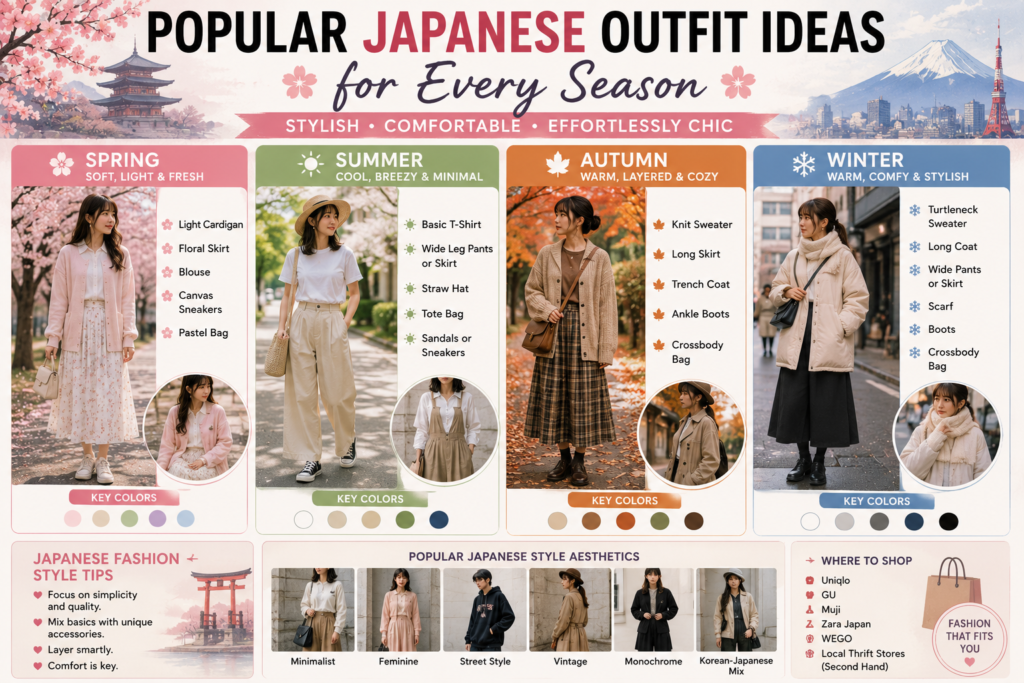
That trip taught me something I completely underestimated beforehand. Japan’s seasons hit differently depending on region, and the outfits people actually wear reflect that constant shifting far more than any generic “Japanese fashion” Pinterest board ever showed me.
Since then, I have paid much closer attention to how outfits change across the year, both from my own trial and error and from watching how people actually dress during each season across different cities. Tokyo, Osaka, and Kyoto each carry their own subtle differences too, something that surprised me once I started paying closer attention on later trips.
This guide breaks down realistic, wearable outfit ideas for spring, summer, autumn, and winter, based on what genuinely works rather than what just looks good in a single photo.
Why Seasonal Dressing Matters So Much in Japan
Humidity plays a much bigger role than most people expect, especially during summer months when temperature alone does not capture how oppressive the air actually feels. Fabric choice becomes far more important here than in drier climates, where the same outfit might work comfortably in completely different weather.
Layering culture runs deep throughout Japanese fashion, partly out of necessity given how dramatically temperatures swing between seasons, and partly because layering itself became a stylistic tool rather than just a practical solution. A single outfit often includes multiple thin layers rather than one heavy piece, allowing for quick adjustment throughout a single day.
Regional differences matter too. Hokkaido winters look nothing like Okinawa winters, and assuming one packing list or outfit strategy covers the entire country leads to exactly the kind of mistake I made on that first trip.
The Packing Mistake That Changed How I Approach This
Beyond the single jacket disaster, plenty of smaller mistakes piled up during those early trips before things clicked. Overpacking heavy sweaters for what turned out to be a mild autumn wasted suitcase space that could have gone toward better shoes or a proper rain layer.
Assuming humidity worked the same as heat back home led to wearing fabrics that trapped sweat uncomfortably during a Tokyo summer. Cotton felt fine at first, then turned into a damp, clingy mess within twenty minutes of walking between train stations.
Ignoring indoor heating and air conditioning also caused problems repeatedly. Japanese trains, shops, and restaurants often run warmer or colder than expected relative to outside temperature, making layering pieces that can come off quickly far more useful than one fixed heavy outfit.
Spring Outfit Ideas
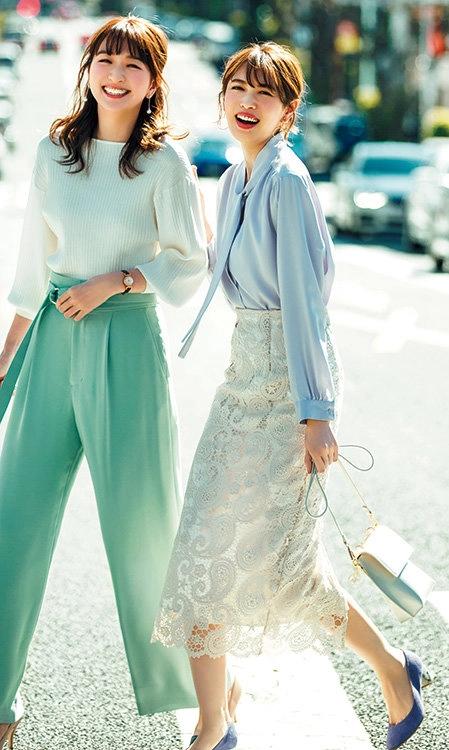
Spring in Japan carries a reputation built almost entirely around cherry blossom season, but the actual weather during this stretch swings unpredictably between chilly mornings and genuinely warm afternoons.
Light Layering With a Trench Coat
A lightweight trench coat over a simple sweater or long sleeve top handles the unpredictable morning chill without overheating once the sun comes out. This combination shows up constantly during hanami season, when people spend hours outdoors picnicking under blooming trees.
Pastel Knitwear With Wide Leg Trousers
Soft pastel sweaters paired with wide leg trousers create a relaxed, seasonally appropriate silhouette that works well for both sightseeing and casual outings. Uniqlo consistently stocks affordable versions of both pieces every spring, making this combination easy to recreate without hunting down specific brands.
Denim Jacket Over a Floral Dress
Floral dresses feel almost expected during cherry blossom season, and pairing one with a simple denim jacket balances the softer dress with something slightly more casual and weather appropriate for cooler mornings. Sneakers rather than heels keep this combination practical for long days of walking.
Cardigan and Pleated Skirt Combination
A button-up cardigan layered over a simple top, paired with a pleated midi skirt, covers both mild afternoons and cooler evenings without requiring an outfit change. This combination remains one of the more versatile spring looks, transitioning easily between casual daytime plans and slightly dressier evening outings.
Utility Jacket With Straight Leg Pants
A lightweight utility jacket, worn over a plain tee and paired with straight leg pants, brings a slightly more practical, gender-neutral option into the spring rotation. This combination works especially well for rainy spring days, since utility jackets tend to handle light drizzle better than more delicate cardigans or blazers.
Summer Outfit Ideas
Summer demands an entirely different approach, largely driven by the intense humidity that makes heavier fabrics genuinely uncomfortable within minutes of stepping outside.
Linen Shirts With Loose Shorts
Linen breathes far better than cotton in high humidity, making a loose linen shirt paired with wide, breathable shorts one of the most practical summer combinations available. This pairing shows up constantly in casual Japanese summer street style, prioritizing comfort without sacrificing a put-together appearance.
Yukata for Festival Season
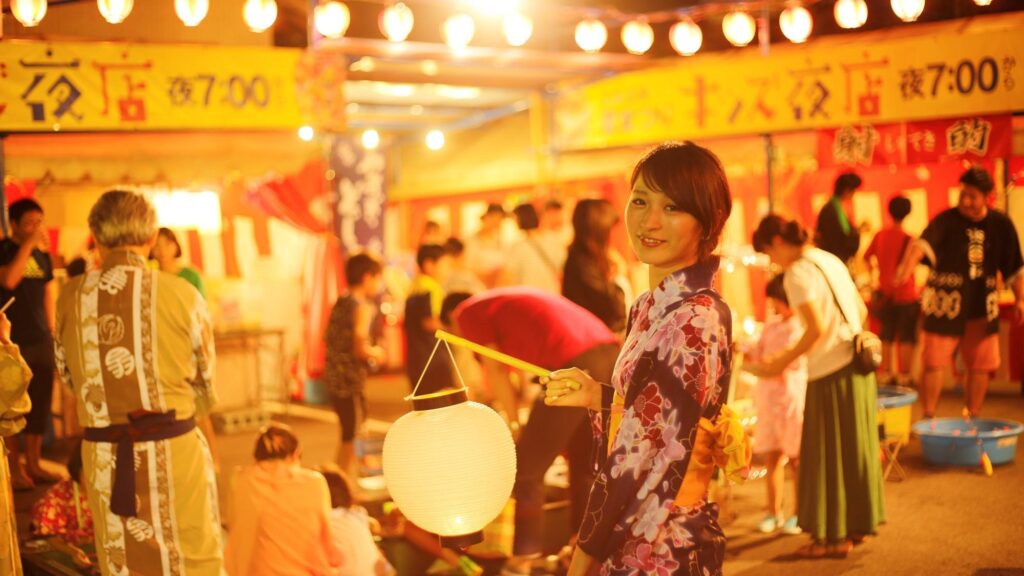
Summer festival season brings out yukata, the lighter cotton version of a kimono designed specifically for hot weather. Renting one through shops near major festival locations offers an easy way to participate without needing to purchase and properly learn how to tie a full yukata beforehand.
Oversized T-Shirt With Bike Shorts
This combination became especially popular in recent years, pairing an oversized graphic or plain t-shirt with fitted bike shorts underneath. The loose top keeps airflow moving while the fitted shorts prevent the chafing that loose shorts sometimes cause during long days of walking.
Airy Midi Dress With Sandals
A loose, breathable midi dress in a lightweight fabric like rayon or linen blend handles summer heat while still looking intentional rather than purely practical. Pairing this with simple sandals rather than sneakers keeps feet cooler during peak humidity months.
Wide Brim Hat With a Simple Tank and Skirt
A simple tank top paired with a light cotton skirt, topped off with a wide brim hat, handles both heat and strong summer sun without sacrificing style. This combination shows up frequently during outdoor summer festivals and shrine visits, where sun protection matters just as much as staying cool.
Autumn Outfit Ideas
Autumn brings some of the most photographed outfits throughout the year, largely thanks to comfortable temperatures that allow for more elaborate layering without the discomfort summer heat creates.
Turtleneck Under a Plaid Blazer
A simple turtleneck layered under a plaid or checkered blazer captures the classic autumn Japanese fashion look almost perfectly. This combination photographs well against the changing leaves that draw so many visitors to places like Kyoto during peak autumn foliage season.
Oversized Cardigan With Wide Leg Jeans
Chunky, oversized cardigans paired with wide leg jeans create a relaxed, cozy silhouette that dominates casual autumn outfits across most major cities. Layering a simple turtleneck or long sleeve top underneath adds warmth without bulking up the overall silhouette too much.
Trench Coat Over a Sweater Dress
A sweater dress paired with a trench coat handles the wider temperature swings autumn brings, especially during the transition weeks between warm early autumn days and the colder stretch closer to winter. Tights underneath keep legs warm without requiring a full pants swap.
Layered Flannel With a Basic Tee
A flannel shirt worn open over a simple t-shirt, paired with straight leg jeans, brings a slightly more casual, streetwear-influenced autumn look compared to the softer, more feminine combinations above. This works particularly well for exploring neighborhoods like Shimokitazawa, known for its relaxed, vintage-influenced fashion scene.
Winter Outfit Ideas
Winter varies dramatically depending on region, but most areas outside Hokkaido and other snow-heavy regions deal with cold, dry air rather than extreme snowfall throughout most of the season.
Long Puffer Coat Over Layered Basics
A long puffer coat, extending past the hips, paired with simple layered basics underneath, dominates winter street style across most Japanese cities. This combination prioritizes warmth without sacrificing the streamlined silhouette that longer coats naturally create.
Wool Coat With a Scarf and Boots
A structured wool coat, paired with a simple scarf and ankle boots, brings a more polished winter look compared to the casual puffer combination above. This works particularly well for slightly dressier outings, like visiting a nicer restaurant or attending a winter event.
Thermal Layers Under a Sweater Dress
Thermal leggings or tights worn underneath a sweater dress, paired with tall boots, handles cold temperatures while keeping the overall silhouette intact. Uniqlo’s HEATTECH line shows up constantly in winter outfit breakdowns, offering thin, warm base layers that do not add visible bulk under other clothing.
Oversized Sweater With a Beanie
An oversized sweater paired with straight leg pants and a simple beanie brings a relaxed, cozy winter look that works well for casual days without much structured planning involved. Layering a thin thermal top underneath handles colder days without needing to switch to a heavier sweater entirely.
Step-by-Step: Building a Seasonal Wardrobe That Actually Works
Understanding individual outfit ideas only solves part of the challenge. Building a wardrobe that transitions smoothly across an entire year requires a bit more planning.
Start With Versatile Base Layers
Thin, high-quality base layers, like Uniqlo’s HEATTECH for cold months or their AIRism line for hot months, form the foundation that everything else builds on top of. Investing in a handful of quality base layers first makes seasonal transitions far smoother than constantly buying entirely new outfits each season.
Build Around a Neutral Color Palette
Sticking to a base palette of black, white, beige, and navy across most pieces allows individual seasonal items, like a floral spring dress or a plaid autumn blazer, to mix easily with existing basics rather than requiring an entirely separate wardrobe for each season.
Prioritize Outerwear Over Everything Else
Outerwear does the heaviest lifting across seasonal transitions, since a good jacket or coat can extend the usefulness of lighter pieces underneath by weeks on either side of a season. Investing slightly more in a versatile trench coat or wool coat pays off more than spreading that budget across several trendy pieces instead.
Check Regional Weather Before Finalizing Any Trip Wardrobe
Apps like Tenki.jp, a Japanese weather service, offer more localized and reliable forecasts than most general weather apps when planning outfits for a specific city or region within Japan. Checking regional averages for the specific weeks of travel prevents the kind of single-jacket mistake mentioned earlier.
Shop Seasonal Sales Strategically
Uniqlo, GU, and most major Japanese retailers run predictable seasonal sales timed around the shift between seasons, often offering the best pricing on outgoing seasonal stock right before the next season’s collection arrives. Timing purchases around these sales stretches a clothing budget considerably further across a full year.
Real Examples From My Own Trips
My second trip to Japan, this time in early November, went far more smoothly after learning from that first spring disaster. Packing a mix of thin layers, including a HEATTECH base layer, a sweater, and a single versatile trench coat, handled everything from a chilly morning in Kyoto to a surprisingly warm afternoon in Osaka a few days later.
A friend who visited during peak summer humidity swore by linen shirts after her first day wearing a cotton t-shirt left her uncomfortably damp by mid-afternoon. She switched her entire remaining wardrobe to linen and breathable synthetic blends within the first two days, and the difference in comfort was immediate and obvious.
Another friend visiting during winter underestimated how cold dry winter air actually felt without proper layering, despite temperatures technically reading milder than her home city’s winter. Thin thermal layers under her regular clothing solved the problem faster than adding bulkier outer layers ever could have.
Common Mistakes to Avoid
Assuming one region’s weather represents the entire country creates the exact packing disaster I experienced on that first trip. Checking specific regional forecasts for each city on an itinerary matters far more than relying on general assumptions about “Japan’s climate.”
Overpacking heavy items instead of prioritizing versatile layers wastes valuable luggage space and often leaves travelers either too hot or too cold depending on how the day actually unfolds. Thin, layerable pieces consistently outperform single heavy items across unpredictable seasonal transitions.
Ignoring humidity levels, especially during summer, leads to genuine discomfort that heavier fabrics like cotton or polyester make considerably worse. Prioritizing linen, rayon, and other breathable fabrics during hot, humid months prevents this entirely avoidable problem.
Forgetting about indoor climate control creates unnecessary discomfort throughout the day. Overly warm trains and shops during winter, or aggressively air-conditioned spaces during summer, both require outfits flexible enough to adjust quickly rather than staying fixed at one temperature level.
Focusing purely on aesthetics without considering practicality, like wearing heels for a full day of walking or choosing delicate fabrics for a rainy season trip, sacrifices comfort in a way that eventually undermines the outfit itself once exhaustion or weather damage sets in.
Quick Answers to Common Questions
What is the hardest season to pack for in Japan?
Spring and autumn both cause the most packing confusion, since temperatures swing widely within a single day and vary significantly depending on which region gets visited during a trip.
Do I need to buy special clothing before visiting Japan?
Not usually. Most of the outfit ideas covered here use pieces available through general retailers like Uniqlo, GU, or existing wardrobe basics, rather than requiring specialty Japanese brands purchased in advance.
How much does weather really vary by region?
Significantly. Hokkaido winters bring heavy snow while Okinawa stays mild year round, and even cities like Tokyo and Osaka can differ by several degrees on the same day depending on proximity to the coast.
Is it worth buying a yukata instead of renting one?
Renting makes more sense for a single festival visit, since proper yukata typically require additional accessories and some knowledge of tying techniques that renting shops handle automatically as part of the service.
Footwear and Accessories That Actually Hold Up
Clothing gets most of the attention in outfit guides, but footwear and accessories genuinely make or break comfort during a full day of Japanese travel, which usually involves far more walking than most people plan for.
Sneakers Over Fashion Boots for Most of the Year
Comfortable sneakers handle spring, summer, and most of autumn far better than fashion-forward boots or heels, given how much walking a typical day involves between train stations, shopping streets, and attractions. Saving statement footwear for shorter outings rather than full sightseeing days prevents the blister-filled mistake plenty of first-time visitors make.
A Compact Umbrella for Sudden Rain
Rainy season, roughly running from early June into July depending on region, catches plenty of visitors off guard without a compact umbrella on hand. Convenience stores like 7-Eleven and Lawson sell inexpensive umbrellas everywhere, making this an easy backup even for those who forget to pack one.
Scarves as a Year-Round Layering Tool
A simple scarf works far beyond just winter warmth, doubling as sun protection during summer or an easy way to add color and texture to an otherwise simple spring or autumn outfit. Packing one or two versatile scarves stretches outfit variety without needing extra clothing pieces.
Crossbody Bags Over Backpacks for City Days
A crossbody or small shoulder bag tends to work better than a full backpack for city day trips, offering easier access to essentials like a phone, wallet, and portable charger without needing to remove the bag entirely every time something gets pulled out. Anker portable chargers remain a personal essential after one too many days spent navigating unfamiliar train systems on a dying phone battery.
How Locals Actually Adjust Outfits Throughout a Single Day
Watching how people dress in Tokyo across a full day revealed something I completely missed during my earlier trips. Outfits rarely stay fixed from morning until night, especially during shoulder seasons like spring and autumn.
Removable layers get added or shed constantly depending on whether someone just stepped off an air-conditioned train, walked into direct sun, or entered a heated shop during colder months. This explains why cardigans, light jackets, and scarves show up so consistently across nearly every seasonal outfit idea covered in this guide.
Bags large enough to stash a folded jacket or cardigan matter more than they might seem at first glance. Plenty of well put together outfits I noticed during my trips included a tote or larger bag specifically to hold a layer that got removed partway through the day, rather than awkwardly carrying it separately.
What Ties These Seasonal Looks Together
Every outfit idea covered here shares a common thread once broken down individually. Layering, versatility, and fabric choice matter more than any single trendy piece, regardless of which season gets targeted.
This pattern makes sense once you consider how dramatically Japan’s weather shifts, sometimes within a single day depending on region and indoor versus outdoor settings. Outfits built around flexibility consistently outperform outfits built purely around a single aesthetic photo pulled from social media.
Final Thoughts
That freezing April morning years ago taught me more about actual Japanese fashion than any single style guide ever could. Real outfits, the kind people actually wear rather than just photograph for a single perfect shot, adapt constantly to weather, humidity, and the practical demands of a full day spent walking, commuting, and moving between wildly different indoor and outdoor temperatures.
Pick one or two outfit ideas from whichever season matches an upcoming trip or seasonal wardrobe refresh, then build outward from there using the layering and fabric principles covered throughout this guide. Comfort and practicality end up mattering just as much as style once an outfit actually gets tested against real weather rather than just judged from a single photo.
The freezing jacket mistake still makes me laugh looking back on it now, mostly because the fix turned out so simple once I actually understood what was happening. Weather in Japan asks for flexibility more than any single perfect outfit, and once that clicks, the rest of the planning genuinely gets easier every single time.