

A Complete Guide to Seasonal Fashion: What to Wear in Every Season
So my fear of seasonal changes came from Not from the climate but each time I might arrive inside of a temperature swing, I’d open my wardrobe and would obtain myself fully confused. Perfectly wearable in layers, but the moment of strip away too cold, whose somehow wearing something means to every season. Not the least of which was that terrible September summer to autumn crossover where mornings felt like January and afternoons were as hot as July. I wore a heavy wool turtleneck sweater to a lunch meeting and sweated silently into my chair for an hour. Not my best moment.
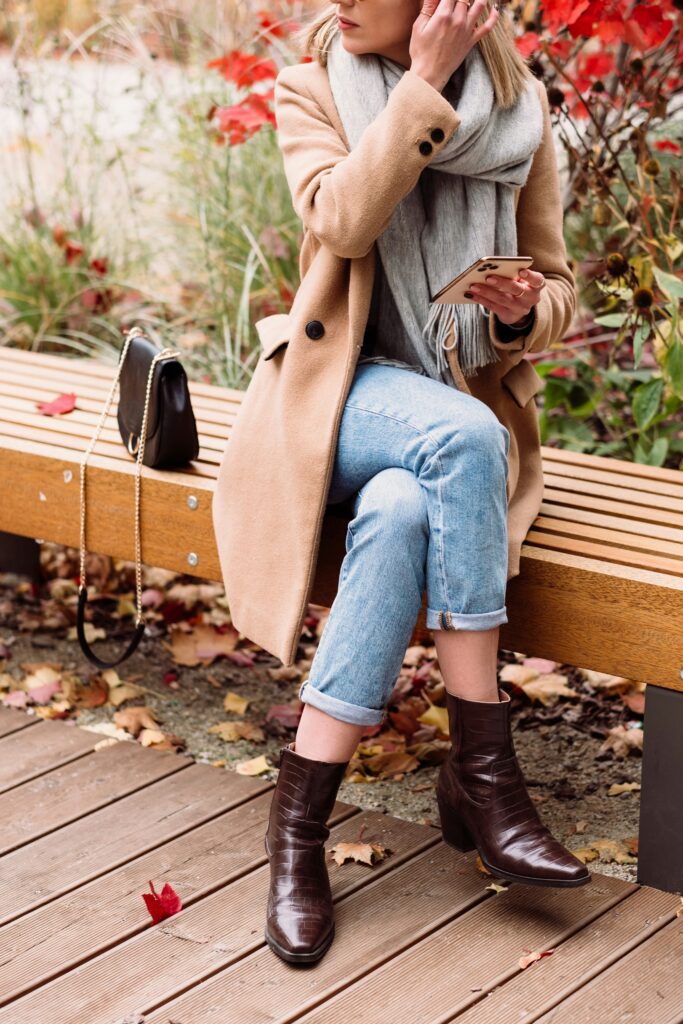
I have found through years of experimenting and one embarrassing, eye-opening experience in personal style a system that works. Not the Instagram-aesthetic idea of a capsule wardrobe, but more about practical dressing-well through the seasons without shopping anxiety, last-minute outfit panic or wasteful spending on things you’ll only wear once.
Why the Seasonal Dressing Offends Most People
The honest answer? We shop reactively.
October hits, you feel the cold and you go out and buy a big coat. By January you find that you have three very heavy coats and nothing to wear underneath them. It is summer now and you have a closet of dark, thick sweaters. Sound familiar?
Another massive misplay, then, is taking each season separately from the rest. Spring and autumn overlap wholesale with winter and summer in real life. The key to looking great all year round is not purchasing new items each season it is creating a versatile wardrobe that layers well and transitions seamlessly.
Welcome to the Seasons: this is what actually works and how each one goes.
Spring The One Season Nobody Seems To Get Right
In fact, spring is the most challenging time of year. The temperature moves drastically at times in the same day. I should know this by now, and I really learned it the hard way recently when I left the house in a linen shirt one 16°C morning that seemed almost summery but turned into a cold drizzle around noon.
What works in spring:
The key is lightweight layering. A thin long-sleeve base layer layered underneath an unlined blazer or a denim jacket is flexible: You shed the outer layer when it warms up, but you don’t get abandoned in the too-casual state of sleevelessness.
Colour matters here too. When spring comes, you want to move away from the navy, charcoal and burgundy tones of the winter. Gently weave in soft pastels or muted earthly neutrals sage green, dusty rose, warm camel. They make for a smooth summer transition, and won’t clash with any leftover winter pieces.
Practical spring wardrobe picks:
• Unpadded, unlined trench coat (not wool something you can fold over your arm)
Fit white or cream crewneck sitting under a blazer, over a shirt
Chinos or Jeans Straight Legs Lightweight raw wash
One white or beige pair of leather sneakers or loafers
Cotton-blend turtlenecks for chilly-but-not-wintry weather
Mistake number one sorry to say : You pull out the sandals as soon as you see sun. Your feet will be icicles by 6pm. Wait for an evening where you’re consistently getting over 16°C,
Summer: Over & Above Shorts And T-Shirts
Dressing in the summer seems simple just wear less, am I right? To actually dress well when it’s hot is a real trick – especially in an actual hot climate (beyond 30?) or if you’re moving from AC office to outdoor heat ad nauseum.
The air-con problem is real. You had an office job or a shopping centre in October 2023 testing your relevance of a paltry linen shirt against temperature extremes in the artificially clean air conditioning. Sounds a bit mad, but I used to have a cardigan in my bag all summer long and it worked!
Fabric is everything in summer. Not all light fabric clothing is really cool to wear. Polyester blends can feel breezy but they insulate heat. It’s actually sometimes natural fibers – linen, cotton, lightweight cotton-linen blends. Another worthy (pun intended) to spend a little more for.
Summer closet essentials that work well:
Linen pants (not just shorts linen trousers are way cooler than denim and much more put together)
Relaxed collar cotton shirts in light colours
Outfit 1 A neutral linen or cotton jacket Just right as a lightweight layer in air-con and sufficiently slick for night
-Light as a feather slip-on shoes or perhaps leather sandals (Birkenstock Arizonas still make a good run on, Aloha and so forth have quickly turned into toughedesemanshoulderappearection)
And a decent pair of lightweight chino shorts for the hottest weekend days
Dark weighty wash denim is a blatant sonno in mid summer (December, as well as January nor July either) that they love when its own 45C+ so I do tell my male ones no dress at summer too. You won’t last an hour because they soak up heat.
One lesson we didn’t expect: that in summer, wearing relatively loser shapes than tighter “breathable” athletic wear keeps you cooler. Airflow is way more important than any fabric claims.
Fall: The Season That Pays To Invest In
Autumn is, in actual fact, my favourite time of year to get dressed I think because there’s just so much more colour, so many more textures and layering potential. It’s also the time of year when smart investments can get a serious ROI.
Then autumn food gets tricky because we are in limbo: early fall (September–October in the Northern Hemisphere) is still warm through the afternoons, so you’re wearing something transitional again. Then, just as you tip from late autumn into pre-winter, and the need for proper warmth becomes necessary.
Early Autumn (September–October):
Enter your spring transitional pieces, once again earning their keep. That trench coat, the unlined blazer they serve double duty here. The only caveat is the colours of your palette: try olive, rust, camel, rich brown. Get to town in your linen shirts this summer but layer them under knitwear.
Late Autumn (November):
Now we are talking about true knitwear. A mid-weight merino wool crewneck or roll-neck is essential. Merino is a little bit more costly but you can see the benefits in its temperature regulation over pure lambswool (which at any point could feel scratchy) and how they chime better with shirts as well.
Autumn-specific pieces worth owning:
A camel or charcoal wool/wool-blend overcoat this is your one major autumn/winter purchase.
-A heavy knitted cardigan you can wear open or closed
Dark Denim (proper dark wash jeans look better in autumn light straight-leg or relaxed)
Chelsea boots or Derby shoes they bring together the casual and the smart without visible effort
A nice, lightweight scarf made from either wool or cashmere (even a cheap one from somewhere like Uniqlo does the trick!)
Lesson learnt the hard way: I once purchased a stunning wool overcoat in an eye-catching colour emerald green ft and thought it was unique. It was. So deep it only was effective in roughly 30% of my wardrobe. Choose neutral outerwear, and have your inner layers doing the colourful heavy lifting.
Winter: Warmth Without Bulk
People overcomplicate winter dressing. The natural instinct is to layer up and by the end you are in a sleeping bag. The result? You feel bulky and sweaty, and spend the better part of your day with various coats stuffed under your armpit.
A base layer and a mid-layer are the real tricks to winter dressing warming up is difficult even before you put the coat on.
Introducing the layering system that actually works:
First layer The base: Fitted merino wool or thermal long-sleeve top Invisible scent, but a massive difference. Uniqlo’s Heattech collection is actually pretty amazing and affordable. Their Heattech Extra Warm for colder climates is totally worth the investment.
Layer 2 Mid-layer: Knitwear asset crewneck, turtleneck or cardigan depending on the outfit. This is your most publicly visible layer Invest here.
Layer 3 the outer: The overcoat. The wind and water resistance-wise this should be doing most of the heavy lifting. A classic wool overcoat in a chic camel or charcoal is classic for good reason: it looks killer and actually, you know, keeps the heat in.
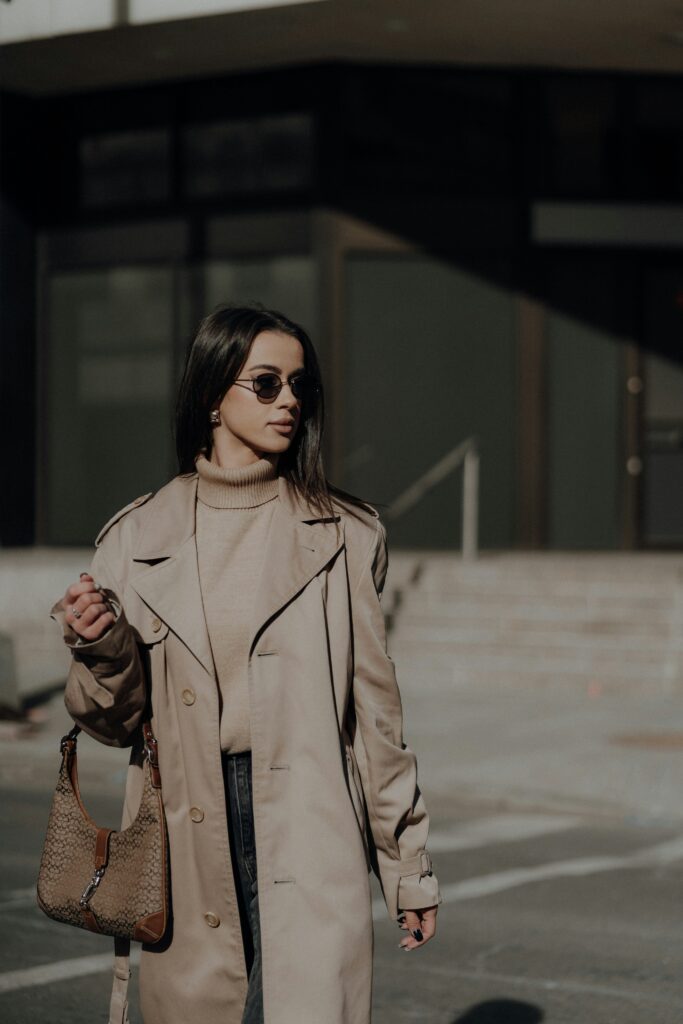
Winter-specific tips:
Good gloves and a hat are more important than most people will accept you lose gallons of heat through your extremities.
Waterproof overshoes or water-resistant leather shoes. For really lousy days, it’s worth having a pair of waterproofs.
Winter: the only good time to wear dark pants or dark denim, light colours are so discordant next to heavy outerwear.
I was making a mistake for years: buying several big jumpers and forgetting about the base layer. I would be freezing at the extremities and sweating at my core. Base layers solved it entirely.
Four Practical Checks for Creating a Year-round Wardrobe
More than a seasonal mindset/seasonal shopping and doing these are the types of framework I’ve landed on:
Step 1: Episode anchor pieces
These are things which last across minimum two seasons. You can wear merino roll-necks October to March. White Oxfords work from April to September. Almost every season, dark jeans in a straight leg work. The first of which, build your wardrobe around.
Step 2: Add transitional layers
Your spring and autumn workhorses: An unlined trench coat, denim jacket, lightweight blazer. You only need two or three of these on top.
Step 3: Season-specific additions
Buy things that are truly just for a season if you are confident that you can make use of it multiple times. Summer linen pants and a good winter overcoat. Do not succumb to impulse seasonal buys at the dawn of each season.
Step 4: Audit before buying
Consider doing this before buying anything: does it go with at least three things you currently own? Is it wearable in multiple seasons? If not leave it.
Useful tools I actually use:
Whering (app) Organize your closet and plan outfits. Requires some effort to configure but actually useful.
Good On You if you’re starting to consider ethical brands then this app rates them well
Pinterest boards still by far the best tool for figuring out your true style direction long before you purchase anything.
Not only wasted tons of money), common and waste space)
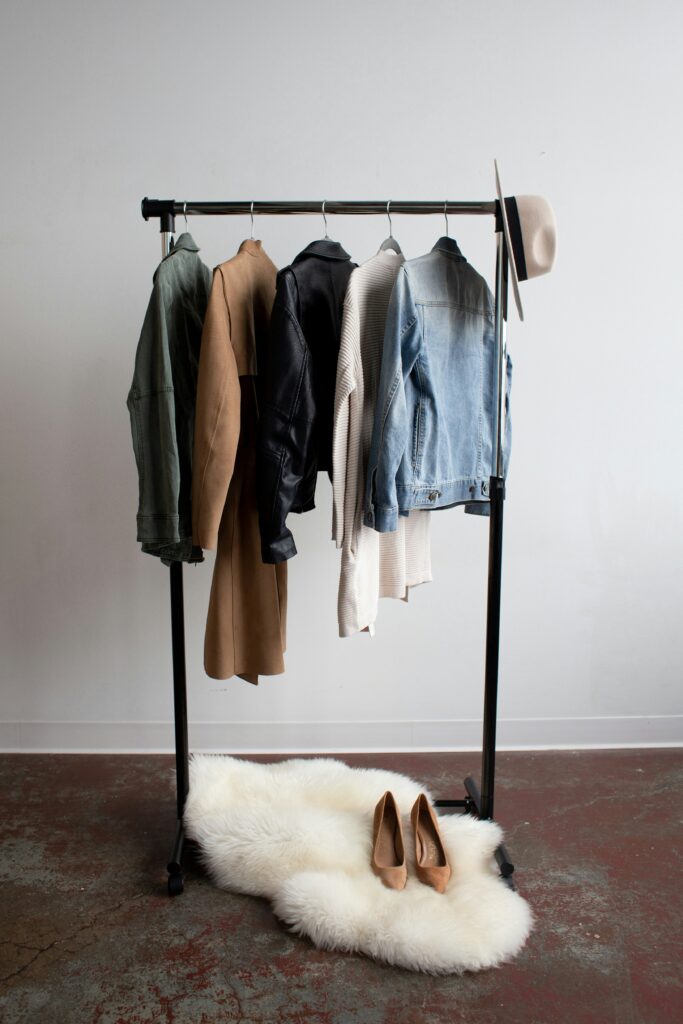
1. Buying trend pieces rather than style pieces
A Statement Piece is Flawless One Season then Ousts You the Next A style piece, almost something of an aesthetic keeps working for years. Buy less, choose deliberately.
2. Ignoring fit
This is the biggest one. For a low priced item, cheap shape is key to look good, and expensive looks better than anywhere else where it has no fit. If the world at large invested as little £20 in garments alteration, our wardrobes would be much improved than buying new stuff!
3. Shopping to fill a specific gap without considering the whole
A search for the casual jacket that is smart enough, but could in fact be worn with nothing else. It would do its job then if somewhere to take on something a little feistier and opponent this man: You know, the idea is that you always have to be thinking about your closet, not the gap [in a vacuum].
4. Holding on to part/elements that don’t fit or you just are not wearing
When your wardrobe is weighed down with dead weight, getting dressed becomes more difficult. Gone: If you haven’t worn it in 18 months and not waiting for the right occasion, call it quits.
5. Underestimating shoes
Shoes can make or break an outfit. An awesome outfit with bad shoes looks bad. You take care of them and you don’t need many four or five pairs that cover the bases will do more duty than ten pairs which are ‘myth’ grade.
One Thing That Changed Everything For Me
The biggest game-changer after years of overthinking this was implementing a consistent colour scheme.
My palette is a spectrum of neutrals navy, white, cream, camel, olive with some burgundy or rust in the fall/winter. Most everything in my wardrobe is interchangeable with most anything else. It was learning a quick and easy way to get dressed, it was letting go of those things that didn’t match up with the rest.
This does not need minimal or monochrome Read More Something that should only take a loose framework of perhaps 4–5 colours that feel “you” and just go with it then!
It sounds restrictive. It isn’t. It’s actually liberating.
Final Thoughts
Seasonal fashion doesn’t need to mean a complete overhaul each quarter. The people who always look good are not necessarily spending more money they are simply clearer about what they own and how to wear it.
The rules are pretty simple: invest in transitional layers, appreciate the magic of natural fabrics, build from a personal colour palette and audit before you buy. None of this requires a huge budget or personal stylist. You simply need to be more intentional about it.
Start small. Choose what go to you have this season and watch what you dare reach for and what still stands untouched. And that candid view of what you wear says more about your style than any trend report ever will.