

Decades of Fashion: What Our Clothes Say about Us Then (and Now)
There was a brown cardboard box that my grandma kept beneath her bed. It contained the photographs, perhaps a few letters and a lilac silk scarf (still folded) from the 1960s. I can still remember holding it, that same thought in my mind: this is old? That deep teal color, the abstract print, that lightweight drape it looks like it could’ve come from a boutique on Instagram yesterday.
That scarf was my first real-fashion lesson in history. Not the textbook kind, but the touch and feel kind. Clothes aren’t a bunch of slinky fabric with thread stitched together. They’re time capsules. Every decade stitched its own insecurities, liberties and dreams into the seams and lapels of the time.
So let me walk you through it not as an arid timeline but as a narrative that should be known.
The 1920s: A Decade of Fashion Finally Let Free
If you’ve seen Downton Abbey or browsed through sepia-tinted archives, you know what women wore before the 1920s — layer upon layer, corsets, skirts to the floor etc. Fashion was basically punishment.
Until one day, the Roaring Twenties rolled around, and it was all over.
That dropped-waist, fringe-and-beading-heavy silhouette of the often-unfitted flapper dress wasn’t only about style. It was a rebellion. In the US, women had only just been granted suffrage (1920). Bra looked like silly hair, dainty dresses helped them dance, they are bobbed and went into jazz clubs.
Men’s fashion loosened up too. Narrow Victorian suit pants were traded – in for trousers with wide legs. Fedoras became a staple.
The lesson from the ’20s? Fashion moves when society moves. A cultural door opens and the clothes follow.
A decade later: the 1930s-1940s. The war changed everything.
So if the ’20s were a party, the Great Depression and World War II were both how hangover and aftermath.
Hollywood became the unlikely fashion bible in Hollywood of all places, as a result of the 1930s. While Paris haute couture was beyond reach, a cinema ticket was affordable. We entered a walking moodboard palooza with stars such as Katharine Hepburn and Cary Grant. Glamour as an escape: bias-cut silk gowns, tailored suits with broad shoulders.
Then the war started, and overnight fabric rationing changed fashion.
Shorter skirts to conserve fabric. The shoulder of the woman widen (read military inspired). Utility dressing became patriotic. The “Make Do and Mend” campaign in Britain actually instructed folks to fix their clothes instead of buy new ones.
I mean, literally, its a government-mandated hemline, which is even crazier than it sounds.
But — and this is important women starting to work in unprecedented numbers through the war years, made trousers seen as appropriate for women for the first time. More of function than form but with post-scrip consequences.
The 1950s: The perfect life as a fantasy
There was kind of a collective exhale, post-war. It also introduced a rather narrow definition of normal.
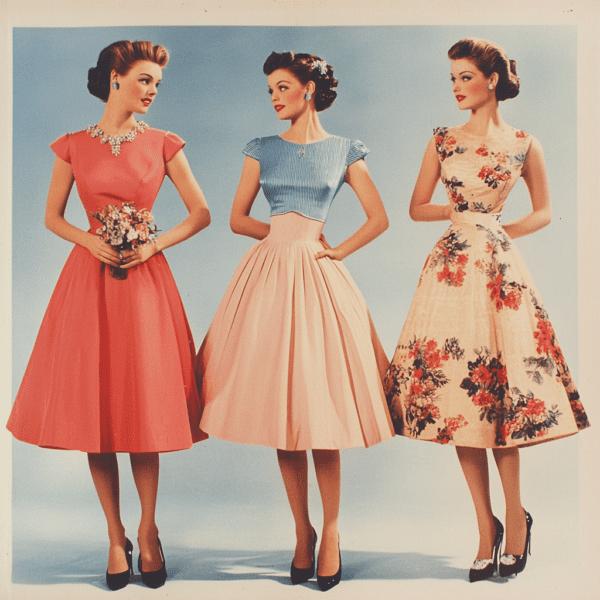
Throwing it back to the 1950s, when we were introduced to the New Look: Christian Dior’s 1947 collection that erupted into the defining silhouette of the decade. Cinched waists. Full skirts. Pearls. Pastel twin sets. After years of utilitarian wartime style it was ultra-feminine.
Men wore the grey flannel suit, the white shirt, the crew cut. In other words, there was no dress code for conformity; it was simply suburban conforming.
But the interesting part is here. Beneath all that precision-pressed perfection, rebellion was bubbling. James Dean in his tee and jeans in Rebel Without a Cause wasn’t an archetype, he was a full-on mood that millions of teenagers latched on to.
Once just an undershirt the t-shirt became outerwear. The youth culture turned jeans, originally a workwear staple. For the fashion industry, it would be a seventy-year struggle to catch-up with that change.
The 1960s: The revolution becomes mainstream
The 1960s is possibly the most talked-about decade of fashion history, and quite frankly — it deserves it.
The miniskirt marked by Mary Quant in London. André Courrèges created an entire futurist aesthetic around it. The rise of mods: big prints, colour block, go-go boots and shift dresses. Everything was sharp-edged and forward-looking.
Over the pond, though, what was breathing life into this counterculture looked a lot different. So there was hippie fashion bell-bottoms, tie-dye, peasant blouses, fringe, natural fibers an act of rebellion against every sartorial norm the mainstream had to offer. These weren’t mere fashion choices but political statements.
What I found fascinating aboutthe ’60s was you had the most opposite aesthetics, both of which were fashionable for different people at the same time, and both of which were really tied up in identity.
Suddenly youth was THE market everyone wanted to target. Enter the teen- they had expendable income, and marketers took note. At that point, fashion really was not just for the rich and old anymore.
The 1970s: A Shift to Personal Fashion
The ’70s get a lot of flack and okay, some of it is deserved. Polyester. Shoes that need weaponry implements or can turn into weapons. Collars that could land a helicopter on.
But here’s the catch: the ’70s were never really an era so much as a period of personal expression what fashion had never quite been before.
Disco delivered glitter, jumpsuits, and drama that took some quite serious nerve. Punk brought us aesthetic with safety pins, holes in fabric and willful ugliness. Ezra Miller served us flowy layers and romanticized earthiness at Boho.
All three existed simultaneously. Your trading said who you were, what tribal you had been in, and that you believed.
The best designers of the 1970s, like Halston (who had made a fortune selling jersey wrap dresses that were radical in their day — elegant but comfortable, luxurious but wearable. This era birthed Diane von Fürstenberg’s forever cult wrap dress.
Also denim — once lowly working-class or youth revolt went high fashion. Designer jeans became a thing. Gloria Vanderbilt. Calvin Klein. It was genuinely new for jeans to be prestigious.
The 1980s: If less is more, then one ought to get even morefrom show More
Already had from sassier relatives who began sharing their tales of the 80s. Big hair. Power suits. Shoulder pads. Neon. Leg warmers over leggings.
The fashion philosophy of the ’80s was essentially: bigger and louder and more expensive looking than whoever you’re competing with
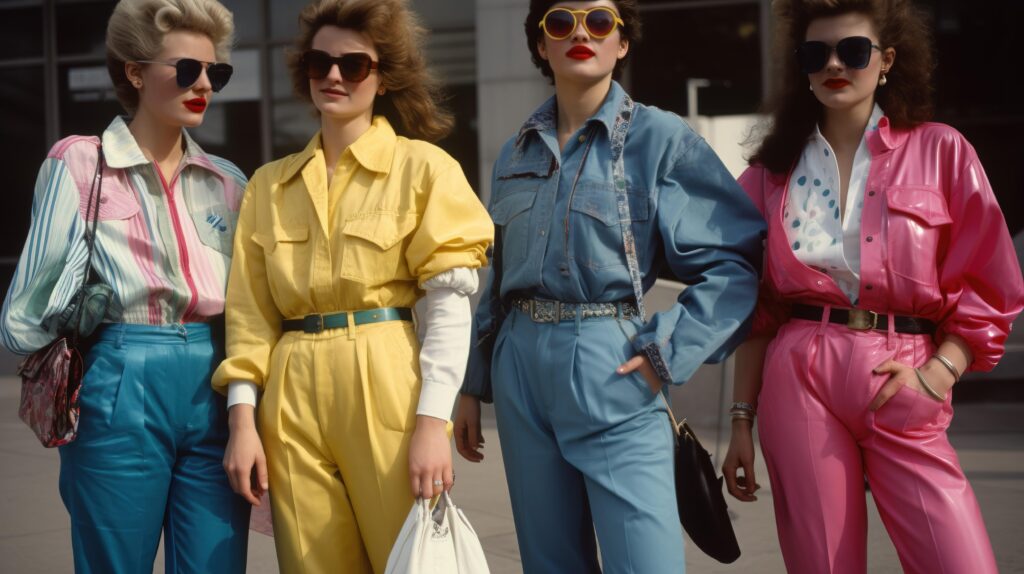
A decade of ostentation partly the prospoerity leftover over from Reagan, partly a reaction to the 70s. Designer logos got huge. The whole “dressing for success” mantra was born alongside a genre of self-help books and power-dressing seminars.
Women in the office started wearing oversized blazers it was almost as if they were borrowing visual power from men’s suits.
But the 80s also gave us street fashion hitting the mainstream. November 10th, 1992 Hip-hop culture was making a new language: Adidas tracksuits and Kangol hats, chunky gold chains were more than streetwear. In 1986, Run-DMC literally collaborated with Adidas – one of the earliest significant intersections of fashion and music.
MTV changed everything too. Musicians no longer masked content with audio, and when you could see them performing their outfits mattered in a whole different way. Madonna. Prince. David Bowie. Fashion became performance.
The 1990s: The Decade that Despised Trying Too Hard
The ’90s swung hard the other way after maximalism mania of the ’80s.
This was most apparent in grunge. Kurt Cobain turned deliberately sloppy in flannel shirts and ripped jeans into a style. It was the opposite of fashion as fashion which, ironically, is exactly why it became so powerful.
Minimalism hit luxury too. Straightforward, clean lines with neutral colors; no logos (Calvin Klein, Jil Sander, Helmut Lang). The aesthetic was almost austere.
Slip dresses. Doc Martens. Mom jeans. Cargo pants. Baby tees. The ’90s had range.
Then came the internet supermodel. Naomi Campbell, Cindy Crawford, Linda Evangelista, Kate Moss… And these weren’t just models they were stars. The new form that fashion took there was entertainment.
Sportswear began to sneak into everyday life Everyone thinks they created athleisure now but really was here: Nike, Reebok, Champion.
The first biggest error when people are looking back at ’90s style is they believe it was all one thing. It wasn’t. In a kind of way that now seems oddly contemporary, it was fragmented and subculture-driven.
The 00s: The Weird Decade
The early 2000s were a fashion low point, let’s face it something that many of us are still working through.
Von Dutch trucker hats. Visible thong straps of the ultra-low-rise jeans. Bedazzled everything. Today brought visible bra straps worn as accessories. Ed Hardy. Juicy Couture velour tracksuits.
Some of it was fun. Much of it was sort of… hmm.
The 2000s is the era of real fracture when it comes to fast fashion. People like Zara, H&M and Topshop knew how to mimic the looks they saw on runways within weeks not months sell them for pennies on each dollar and restock at a staggering pace. It turned out fashion wasn’t seasonal anymore, it was pretty much weekly.
This is because this wave of bloggers began around 2006-2007. Street style photographers around fashion weeks (the original of which was The Sartorialist that started in here in 2005) were revolutionising the sources of style inspiration. You no longer had to read Vogue. Women in clothes were suddenly aspirational.
The Instagram era of the 2010s rewrites everything
Arguably, since the launch of Instagram in (2010; more on this later), there has been no platform to increase, reduce or reshape fashion much as it ever.
Fashion now had to look good in photographs. The Pantone Color of the Year wasn’t simply a design choice it was every where because it looked gorgeous in photos. Millennial pink. Rose gold. Plenty of white walls in the background
Fast fashion got even faster. ASOS, Boohoo, Fashion Nova, Shein the entire philosophy of purchasing an outfit for one shot and never wearing it again was totally normalized.
Streetwear went fully luxury. Supreme. Off-White. Virgil Abloh rewriting the future of what high fashion could represent The announcement that Louis Vuitton hired a streetwear designer as its creative director in 2018 marked affirmation of the death of fashion’s class system.
There was a major resurgence in vintage and thrift shopping, due in part to economics (Millennials grappling with debt and stagnant wages) as well as the awareness of fashion’s environmental effect.
Apps such as Depop (launched 2011) and ThredUp turned secondhand shopping from being dusty into something more curated and fashionable.
This Decade’s Biggest Fashion Mistake? Getting run over by trends, and lost your own style. Many had closets with things they wore once simply because it was fashionable, not because it looks good on them.
2020s: Where are we now?
The 2020 pandemic really reset the fashion conversation.
With no one going out, occasion wear was reined in and replaced with what really felt good. Loungewear became an aesthetic. Sweatpants got fancy. There wasn’t even a separation between homewear wear and street wear.
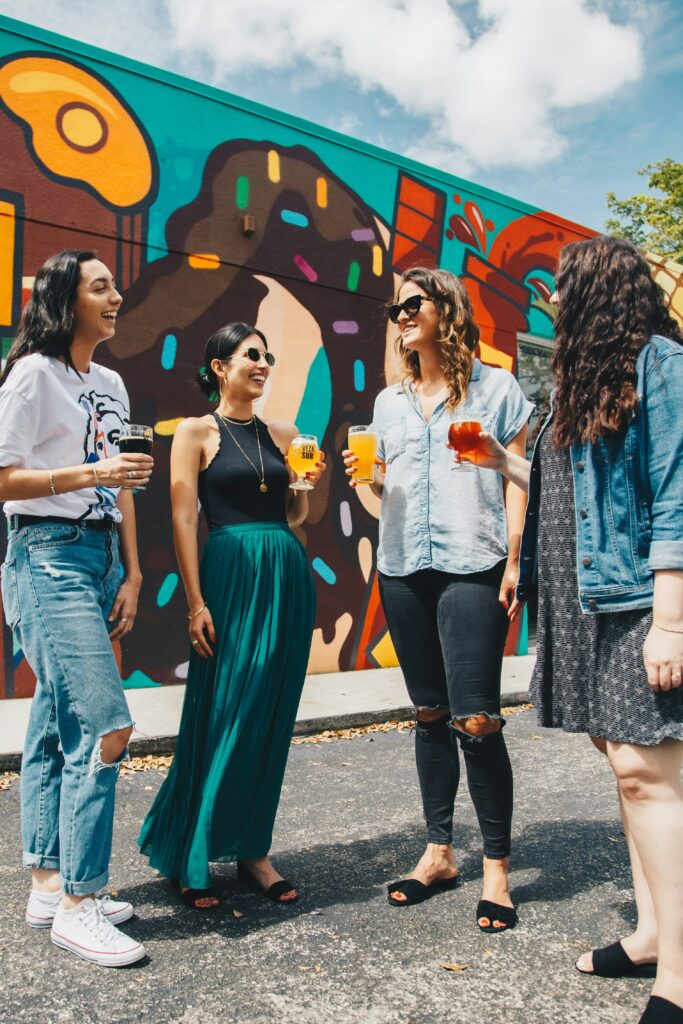
After the pandemic, came “dopamine dressing” colorfully aesthetic, joyful and maximalist clothing meant to cheer you up following years of limitation.
Gen Z is resisting the millennial aesthetic of minimalism. Y2K nostalgia resurfaced everything of the early 2000s (yes, I mean all of it including all those low rise jeans). Cottagecore. Balletcore. Dark academia. Instead of runways, fashion aesthetics were codified and documented on TikTok.
No longer an avant garde concern, but a now genuine mainstream conversation about sustainability. Second-hand platforms are booming. Rental services such as Rent the Runway experienced enormous growth. More purchase decisions are now influenced to buy less and buy better.
However, fast fashion isn’t slowing down, in fact it’s certainly magnified with the likes of Shein’s ultra-fast model. The state of the world we are living in consumer awareness at an all-time high, alongside a magnitude of cheap fast fashion.
The Fashion Fails That Repeat Every Decade
In walking through all of this, a few themes come up again and again. Mistakes we make in every age that are expressible if you care about creating your own style.
*Following trends over building a closet. * Every decade has trends that feel stale five years later. Almost always the folks who look consistently in style in old photos are wearing something more classic or a trend but not via dressing like it is really best for their actual body and life.
Confusing expensive with stylish. Cold, Hard History: Logo-heavy fashion is only about 30 years old, yet it’s consistently dated and arguably poorly. Good style is usually quiet.
Ignoring fit. This may just be the biggest single factor in making clothes look good! A cheap piece too long is better than a pricey piece that’s ill-fitting. Every decade confirms this.
Those pieces you buy for a reason you’ll never wear. How many items do you currently have sitting in your wardrobe, that you bought (borrowed new or saved from a charity shop) expressly for an “event” or occasion and haven’t looked at or worn since? Vintage shopping, quite in fact, helps train you to invest in pieces that you will actually wear multiple times.
Ignoring your own context. The ’60s mini skirt was radical and ideally not the most practical option for a cold climate or conservative workplace. Always the least abstract fashion, real life inspired.
How to Use Fashion History for Real
Here is the useful part because this information can truly help you to shop and dress better.
Step 1: Recognize the personas that are really for you! * Flip through decades. The ’50s full skirt with a cinched waist. Looser, straighter cuts were from the ’90s. The ’70s had high-waisted flares. If you see something and your thought is that looks great on that person pay attention to the structure, not just color or pattern!
Step 2: Stick with the classics but test all trends Iconic pieces the white button-down, the well-tailored blazer, the dark straight-leg trouser have lasted year after decade because they work. Include trends in accessories or secondary pieces, where it’s cheaper and easier to swap.
Step 3: Vintage intentionally shopping. Search by decade, style and size with such apps as Depop Vinted link ThredUplink. If you’re into ’70s silhouettes, then they are available. Now, if you prefer the reality 90’s minimalism, you can truly take it here. The trick is knowing what you really want.
Step 4:Focus on what keeps coming back (Step 4) If something has come back after three or four cycles through the history racks (think: trench coats, wide-leg pants, loafers, pearl accessories), it probably comes back because it’s actually flattering and practical. Those are worth investing in.
Step 5: Trust your own eye. No matter the decade, this is one of the few fashion truths that always rings true: On the other hand, those who have a sense of style tend to know what they actually enjoy, what’s conducive to their lives and what adds to their well-being they’re not easily detoured by peripherally “in” stuff.
The String that Ties Each Age Together
Remember, a silk scarf my grandmother had you know, what fashion says is so much about what people needed at a moment.
The freedom the Victorian constraint so badly needed in the 1920s. During a crisis (the 1940s) you needed practicality. That the ’60s craved to channel the turbulence of an upheaval, The ’90