

You Have to Upgrade Your Fashion Wardrobe Without Buying New Outfits.
Sound familiar?
It wasn’t a shopping problem. This was a wardrobe organization and creativity issue (or lack thereof). And once I realised this, not only did I never buy another rupee not one but it completely changed how I felt in the morning when getting dressed.
This is what I wish someone told me erliest. Because real fashion is about not buying more but about wearing better.
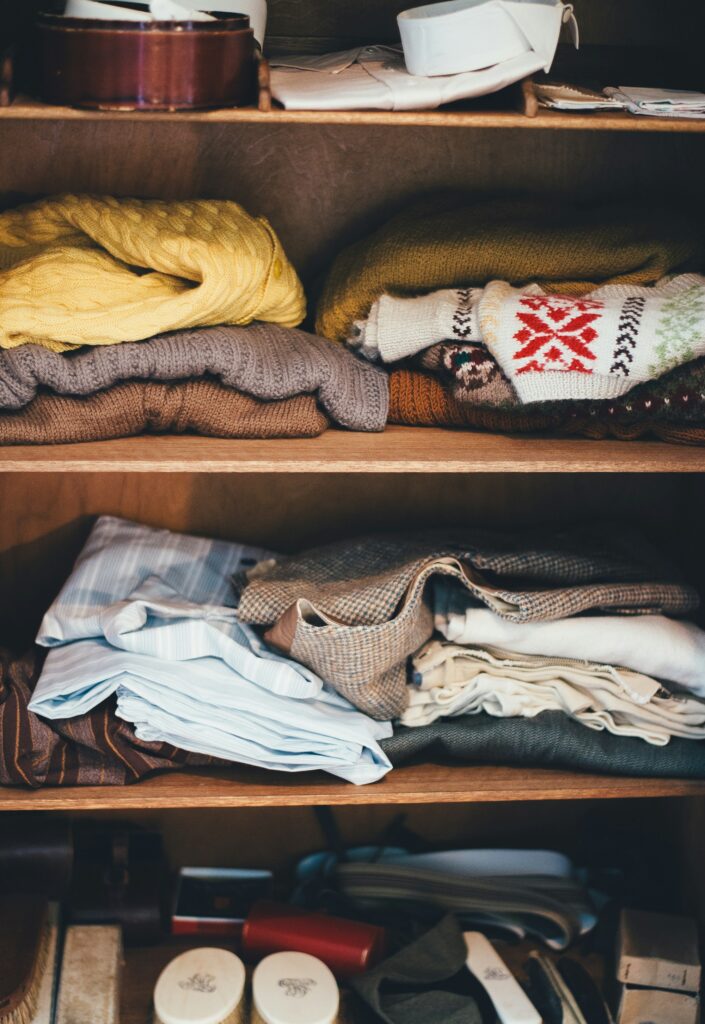
So why is buying more clothes hardly ever the solution to our fashion concerns?
We all kinda fall into this silly cycle. Not that you are tired of your outfit so you buy something new For a week, perhaps two, we are excited about that new thing. From there you get lost in the fray of all the other shit and before you know it, you’re like “I have nothing to wear” again.
The truth? 80% of the time Most people are wearing 20% of their wardrobe. The rest is just background noise — things banished to the farthest corner of your closet, what nefarious sartorial crimes against humanity you committed for a pair of ugly shoes that didn’t even fit and clothes bought on impulse once upon a time because they would match absolutely nothing else in the wardrobe.
This is not improved, but exacerbated by fast fashion. From inexpensive to on-trend, our wardrobes are filled with pieces that most of the time lose their novelty as soon as the next trend comes around. The outcome is greater mess, more confusion, and yet that same empty sensation of not having anything to wear!
Instead of reaching for your wallet, you might want to try the opposite.
Step One: A Tough and Truthful Wardrobe Audit
This is the dirty little first step, and truthfully it’s the one everyone doesn’t do. Don’t.
Pull everything out. And not just the things in your closet under the bed, that bag of “I’ll get to this later” clothes, the laundry pile. Put it down somewhere you can see it visibly!
Now sort into three groups:
Wear it every day and enjoy.
Haven’t touched in over 6 months!
This is useful if you have tried everything, and the item is just broken, either it does not fit what it was intended for/wherever was supposed to go, or just too far gone.
The third pile goes straight to the bin or donation bag. No second-guessing.
The second pile is where the gold remains hidden. But don’t be so fast to cull everything a few of those neglected items are about to form the backbone of your updated sartorial repertoire.
What I learnt from auditing my closet: Three identical black t-shirts (bought at separate occasions, clearly forgetting I already owned them), a blazer that I’d only worn once but loved and about eight scarves that I had completely forgotten existed. Eight. It was like discovering an entirely new closet within the one I already had.
Step 2: Determine What Is Actually Not Exist (vs. What You Think Is Missing)
By the end of the audit, people usually know they don’t just need more clothes, they need better combinations of the clothes they already own. But sometimes there really are gaps.
Ask yourself:
Am I free in every top but for every bottom?
Are there outfits you could complete if only one key piece were on your wardrobe rail?
Am I gravitating towards the same couple of things, but feel everything else feels too ‘off’?
Write down any real gaps. Hold off on shopping for them, though that’s the nature of a conscientious fashion approach; you need to know exactly how much cash in hand before buying anything.
Step 3: Restructures Everything in a Manner with How You Utilize It
The average individual probably sorts their closet by type all your shirts together, all your pants along. That’s great, but not exactly an ideal method for expanding outside your fashion box.
Instead of color family or outfit potential, try organizing by color family or actual outfit potential.
For instance, if clothes are arranged by color you will see color combinations that you never thought existed. The olive green shirt that you had ignored? It actually does get along nicely with those rust-colored pants you forgot you owned after all. One could think of it, at least in relation to the rest of the world, you just couldn’t see when they were buried in different sections.
An actual technique that works: group outfits together. If you have a jacket that always looks great with a certain shirt and trouser outfit, post it as a unit. It takes the decision fatigue out of your daily routine and you will wear the entire fit instead of wearing what is comfortable.
For real, this may be the cheapest fashion hack ever and it is sooo underrated.
Step 4: Get Good at Restyling What You Have
It is the fun stage, and the essence of creating an adaptable personal style without introducing anything new into your wardrobe.
Tuck, half-tuck, knot: A white shirt is a completely different beast buttoned fully into high-waisted trousers or knotted in the front compared with loose. Pair each option with the same shirt and you’ve got three separate fashion-forward outfits.
Try layering unexpected things: Slip dress and a basic t-shirt. A denim jacket over a kurta. A turtleneck heaved under an sleeveless dress. That means layering is one of the fastest ways to reuse old clothes in fancy new outfits, and it’s a fashion stylists’ trick-of-the-trade.
The shirt that you wear only to the office? Wear it with jeans and white sneakers on Saturday. That “going out” blouse? Tuck it into a pair of wide-leg trousers to wear at the grocery store. Street fashion is currently all about combining smart with casual and it really does work.
Experiment with belts- a belt can just transform the most shapeless dress and make it look like you did this on purpose. The day I borrowed my mother ‘s old wide belt, tossed it over a floaty midi dress that was an inch away from the charity shop and received three compliments in one day.
Step 5: Get fashion outfit ideas using Apps and Pinterest
You should not have to be alone in this. These are the truly talented tools that, with curiosity and a dash of creativity, you can find new ways to wear your current items.
Pinterest is the obvious one. Type in “outfit ideas with [item you own]” e.g. “outfit ideas with wide-leg jeans” or “how to style an oversized blazer,” and you’ll be served up hundreds of genuine combinations straight from fashion blogs, street style photography and everyday people Many of those outfits incorporate fundamental wardrobe items you’re probably already in possession of.
The StyleBook app (iOS, free to download; additional bits for sale) allows you to take a photo of everything in your wardrobe, then mix and match garments virtually. That sounds absurd, but it actually comes in handy with discovering novel sartorial pairings you may not have considered. MediBang Paint Free Version It is a free version but limited to just enough for you to start now.
Whering Another app made for this is Whering, you can track how many days each piece gets worn, which is kind of motivating when realizing some pieces have gone months without wearing.
And sometimes it really is just scrolling through the fashion content on Instagram or TikTok (okay, not to purchase anything, but to see how people are putting clothing together) that can inspire you; small ideas you’ll be able to translate into pieces you wear. Another great way to do this is using the #outfitinspo and #sustainable fashion tags on your feed.
Step 6: Rejunivale Old Clothes with Small Fixes
Many clothing go into the back of the cupboard not because they are bad fashion purchases, but due to small issues that can be quickly repaired:
A missing button
Loose small hem
A stain that you could never fully remove
A colour that has a little bit of faded
These are more achievable fixes than most assume.
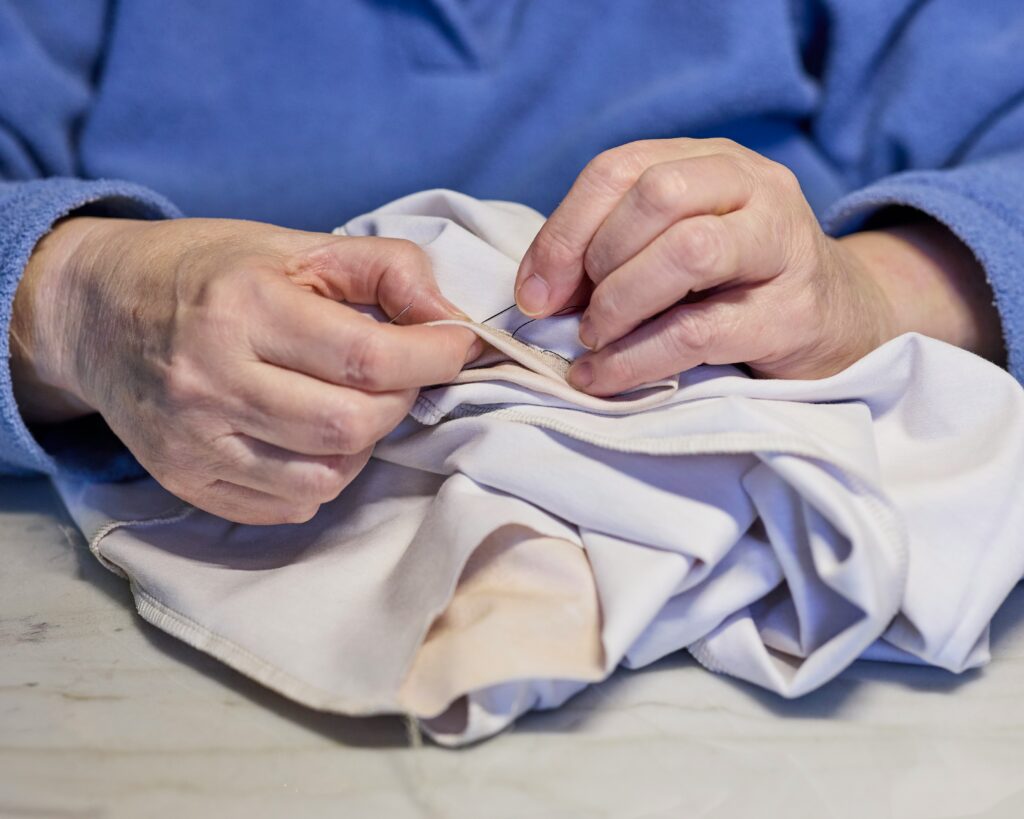
Extra buttons: Nearly every fabric shop sells spare buttons for a pittance. You don’t need the skills of a master tailor five minutes and a YouTube tutorial can have you hand-stitching a button back on.
Hems and small repairs: A tailor can address most simple problems for a very low cost. Belts let out, legs shortened, zips repaired when you can make those little tweaks that totally refurbish things you’ll never wear again as they are, you’re making a sustainable fashion choice more valuable than simply buying a replacement.
Stain removal: Rubbing white wine on a red wine stain, making a baking soda paste for grease marks, dumping salt on fresh spills there are dozens of time-honored tricks that do the trick. Do a quick search for that specific stain type and material before writing off a garment.
One that surprised me was dyeing clothes: The most surprising thing is the cost of fabric dye which is relatively cheap and simple to use. For example, take a greyout T-shirt from the eldest offspring and turn it into navy blue and it will actually look brand new. The two most readily available brands are RIT Dye and Dylon, both of which have pretty decent instructions on the packaging. A easy way to breathe new life into an old piece of clothing.
Step 7: Swap with Friends or Family
This is underutilized on a massive scale, 1000% free and one of the most fun ways to spice up your closet.
Have a clothes swap with a couple of friends everyone brings stuff you want to get rid of, you exchange. What is dull and stale for you may be fresh and exciting in the hands of another, and vice versa. You leave with “new” clothes, and no one even has to pay a dime.
Even just borrowing works. There was a winter I borrowed a friend’s leather jacket for most if not all of the season. She wasn’t using it. I wore it constantly. Nobody bought anything.
For a little extra step up, just check out the clothing swap events hosted in your area (these happen more often than you might think especially in larger cities.) Some are arranged via community Facebook groups, while others through secondhand fashion networks. If you wish to swap or sell items for vouchers to be used on alternatives then platforms such as Depop, and Vinted and also another one called ThredUp are worth considering.
Step 8: Shift Accessories The Quickest Fashion Refresh
Accessories are one of the least expensive ways to change the reading of an outfit completely — though most have a heap of them they never wear.
Sift through your scarves, belts, bags, costume jewellery, hair accessories to hats. Lay them all out. Next try pairing one element of surprise with an outfit you think is boring.
You have been given data until October 2023 and you look completely different, dressed in a simple white shirt, or jeans added:
A chunky gold necklace
Silkscarf worn as a headband
A structured handbag vs a cross-body bag
An antique brooch on the collar
None of those are going to need you make a new purchases. Most of them are now gathering dust in a drawer somewhere. Accessories are the so-called “punctuation of an outfit,” which is how stylists refer to accessories in fashion — they completely change the tone without altering your clothes.
PRO TIP: Ability to see your accessories better If they are buried in a box or tangled up in some drawer, you will never pull out the drawers. A hook rack for hooks for bags, a small tray that will hold your jewellery or a clear hanging organiser specifically made to hold scarves is a whole lot more influential than its simplicity.
Common Things to Avoid in Fashion
Goodbye to “just in case”: If you haven’t worn it this year and can’t think of when you’d realistically wear it next, then get rid of it. More than anything else,he clutter is what blocks out fashion creativity.
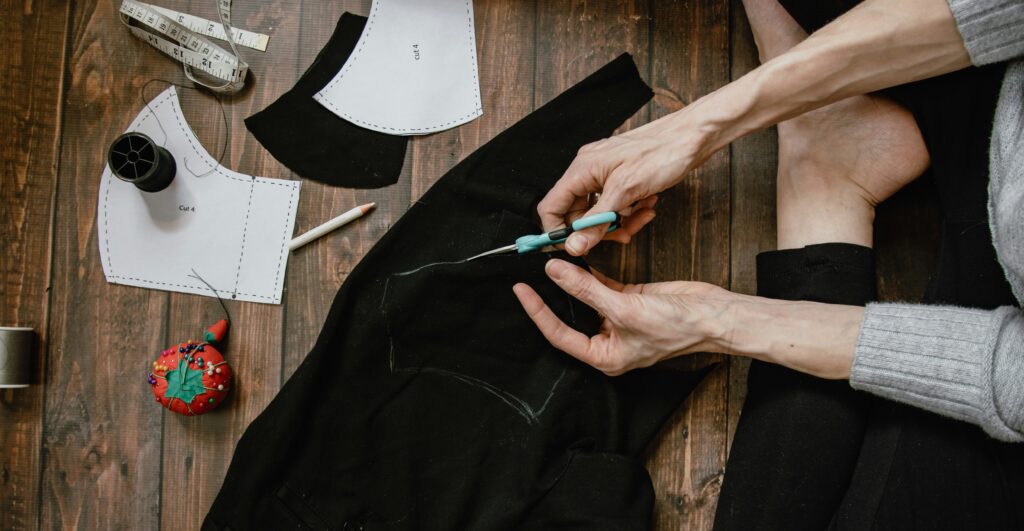
Not caring about fit: no matter how lovely it looks, if a shirt doesn’t fit well it’ll never be your favourite. Either get it tailored or tell the truth that you will never wear this.
Impulse based categorization instead of systematic: Taking everything out and then squishing it back in a different order is not an audit. Actually commit to the process.
Experimentation is limited to your mind: Outfits designed only in the brain look different. Actually try on the outfit. Snap a picture of what is working so you will remember it next time.
Throwing away too quickly your “ugly” pieces: Some times I recently wore outfits together, but to be honest at first sight these were clothes I considered giving donations. Across between a loud printed shirt and something that had to work became the perfect fashion statement piece when worn with minimal basics. Please do the make thing one last time before leaving.
Following trends and not personal style -this is where it gets real. Fashion trends are meant to change each season by design; it’s how the cycle keeps in motion. The way to break this cycle is to focus on your style–what actually feels right for you.
So What Now After You Do This
What I ended up with the first time I put myself through all this:
A donation bag of approximately 25 things I truly did not like
12 “new” outfits made from clothes I already owned
A more precise understanding of what I really needed in my closet (which one good pair of white trousers, it turned out).
Morning dressing switched from stressful to kind of fun. Not because I had more clothes because I had better access to what was already in my closet, and a clearer sense of who I even was sartorially speaking.
Plus, there is kindof a magic in wearing clothes for longer. Because the fashion industry is one of the most wasteful in the world and keeping what you already have alive even just a few months longer is one of the easiest, most effective actions an individual can take. It turns out that slow fashion begins in your very own closet.
A Few Final Thoughts
Not going naked, with your fashion wardrobe right up to date without spending anything is not an exercise in deprivation. It’s more like editing. You shred the noise to make way for the gold.
This isn’t about creating a perfectly sized capsule wardrobe (unless you just really want to). It’s just being able to see into your closet and remember that you have choices real, presentable, you choices without spending ten minutes in silent devastation every morning.
Start with the audit. That’s always the first step. The rest is just easy because you can actually see what you have.
And if, at the end of all this madness talk, you still spot a real void fashion-wise? So then you can shop even more intentionally, with a specific shopping list and an awareness of what you really need, which means you’ll never be buying anything to just shove at the back of your wardrobe ever again.
That’s the real win. And honestly? Far more fulfilling relationship with fashion than any impulse buy ever gave me.