
Slow Fashion Clothing: Why Slow Fashion Is the Future of Style
The first thing I recall was the moment opening up my closet and all I could feel was fatigue. If you want to read the whole story this will article is very long for an introduction but ideal for a short break, please consider buying me a cup of coffee literally! Sound familiar?
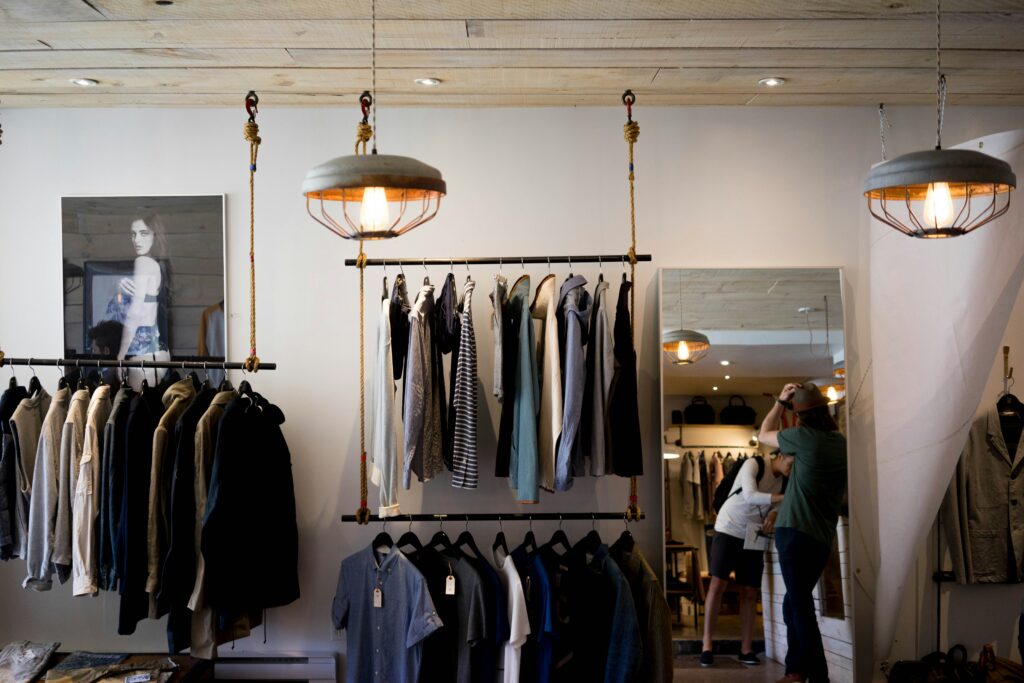
That was near three years ago. I had over 80 items hanging in there half of them with tags still on yet I complained of having “nothing to wear.” I legitimately sat on my bedroom floor and worked it out that morning. I also realised afterwards that a frightfully large number of those clothes had been worn once, maybe twice, before being shoved to the back of the rail.
That was my wake-up call. Not some documentary moment of a dramatic tone, no viral Instagram post just old closet fatigue matched with an appropriate “wait I paid money for this” awareness.
That morning plunged me into a rabbit hole that altered my shopping, how I view clothing and quite frankly how I view money. This is what I learnt, the mistakes and frustrations I made along the way, and why I truly believe slow fashion isn’t some fashionable catch-phrase it’s the destination clothing was always meant to lead to.
What Is Slow Fashion Really?
Leave aside the bookish definition for a minute. Like this: slow fashion is the opposite of buying five cheap tops for $8 each because they looked cute on a model online.
It’s about buying less, but better. Clothes that are made with decent fabrics, sewn by employees who were paid a living wage and designed to last more than a couple of washes. Ever had the attitude of “I’m spending $60 for a t-shirt I’ll wear for five years” rather than calling it round two with “$8 on a shirt that will look sad after 3 washes”?
Compare that to fast fashion most of us grew up shopped. Every week you see “new trends” dropping below borderline-unreasonable prices, and the culture that says your clothes are disposable.
I’m not going to sit here and shame anyone for shopping fast fashion I did that for ten years. Just giving you the details of what changed when I stopped.
Where I Started (Including the embarrassing details)
However I want to be frank and tell you about where my beginning was all before the how part of it. I was the online sale order girl who buys a stack of clothes, knowing full well she’d only keep half. I had drawers full of cheap basics that bobbled after one wash. I once accidentally purchased the same black top in three different stores within a space of 4 weeks because I forgot I already had similar ones.
The bank statements I had were not pretty. In hindsight, the amount I was spending on so-called fast fashion over the course of a year far surpassed what I’m now shelling out for more thoughtful pieces that will last.
That’s half the story no one tells enough slow fashion isn’t always “more expensive” as we understand it. Per item, it is expensive certainly, but over a year, hell even over a few years it is usually cheaper as you simply aren’t having to replace things that fall apart.
Why I Truly Believe the Future Is In Slow Fashion And Not Just A Trend
I realize the phrase “the future of style” sounds all terribly grandiose, but I can qualify it fully as not just a theory based on stuff that I’ve seen happen out in the world.
Waste not want not: People are done with fast fashion. ** Ask anyone in their 20s or 30s about something from a fast fashion haul and how they regret the purchase Pretty much everyone has a horror story about some item of clothing that fell apart alarmingly quickly: the zipper that broke on the second wear; seam that split at a party; fabric so sheer it became fully see-through after one wash.
Business Started on Social Media, Then Evolved to Something New ** A couple of years ago: “shopping hauls” are all over the place. I am talking nowadays I am flooded with some much more rules, capsule wardrobe content, what I actually wear in a month video and part of the rewearing same five outfit for months on repeat. The cultural vibes have moved from “more is impressive” to “intentional is impressive.”
It’s ripping the brands into having to respond. I have seen even major, mainstream brands begin to wear the cloak of “conscious,” or “sustainable” (much of it marketing BS). The simple fact that they feel pressure to do so at all should tell you a lot about where customer demand is going.
Secondhand and resale exploded. From that perspective, apps like Depop, Poshmark, ThredUp and Vinted have rendered thrift shopping downright normalized — even trendy. And ten years ago, that really wasn’t a mainstream thing. My cousin, younger than me, now brags about her thrifted jacket like one people used to brag about a new designer bag
This does not mean that fast fashion will disappear overnight. It won’t. If your eyes are open the direction of travel is pretty clear.
My Actual Process of Transitioning to Slow Fashion (Step-by-Step) |
I did not turn my closet into a capsule overnight, and truthfully I don’t think anyone should even attempt to. Now this is the real life cycle that I went through.
Step 1: I conducted a closet audit, without judging
I emptied my closet everything, down to the last pair of shoes onto my bed. So I put everything into three piles: stuff I truly loved and wore routinely, stuff I hadn’t worn in over a year, things that were wrecked or graying.
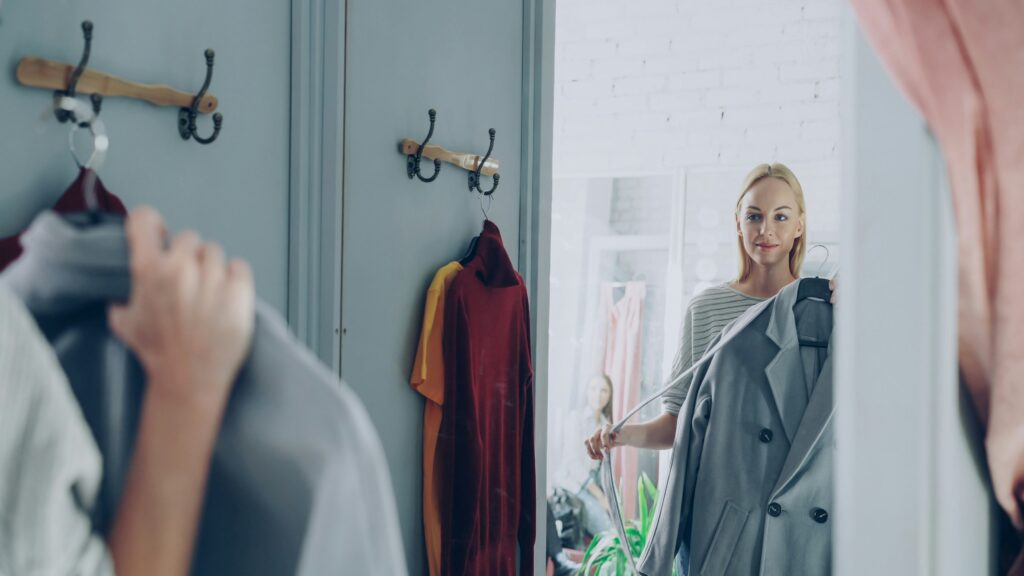
This was uncomfortable. I came across tags still attached to things I bought two years ago. Except it provided me actual data rather than a hunch.
Here’s what I did,
Step 2: Worked it out THE REAL ME style vs THE ASPIRATIONAL ME STYLE.
This one stung a little. I bulk had a massive clothing haul for who I wanted to be someone more polished, someone with an adventurous style sensibility than what I currently have; you know, the “that girl” trend. But when I examined what I was really reaching for each day, it was effortless, cozy basics with a bit of classic.
Admitting that made shopping a hell of a lot easier since I stopped buying all the trendy stuff that I’d never actually wear outside of my bedroom dressing room.
Step 3: Creating a needs vs wants list before virtually buying anything
Now before every purchase I ask myself: do I need this or do I just want it because I’ve seen somebody else post about it? You might assume that is easy enough; however, this one habit of keeping my currency wallet permanently closed and on the bottom shelf dramatically dropped my impulse by.
Now I was clicking on real brands rather than just add to cart
I began using applications like Good On You, which is a brand rating app that rates brands based on labor practices, environmental impact and animal welfare. The system isn’t perfect, but it at least gave me a launching point for what to use versus blindly falling in with the marketing of a brand.
Step 5: I became a hawke-eyed label reader
This was a game changer. I began searching for natural fibers instead of polyester-heavy blends: organic cotton, linen, wool or hemp. Not because synthetic fabric is inherently bad, but natural fibers typically last longer, breathe better, and release less microplastics in the wash.
Step 6: I began by thrift shopping
As for new purchases, I always go to thrift stores first or look on Vinted or Poshmark. Don’t ask me what you can find, You’ll be amazed. Holy shit, I snagged a wool coat from a thrift store (with tags still on it) for less than a 1/3 of its retail price and it has become one of the most complimented pieces in my wardrobe.
Step 7: I got some basic sewing skills
This isn’t what I’m talking about, like becoming a tailor. I was taught to sew a button on, repair a small hem and patch a small hole. The rest I learned from watching generous YouTube tutorial creators. This by itself has salvaged a few pieces of clothing that may have otherwise ended in the bin.
I had been reading up about capsule wardrobes and how they could be helpful for your wardrobe-overhaul journey, so I started creating my own loosely defined version of a capsule wardrobe.
I didn’t go hardcore minimalist and only allow myself a strict limit like 33 items, but I definitely started thinking more like a collection of wardrobe basics or mix & match pieces rather than random standalone garments that only look good with one specific item.
So here are some real examples from my own wardrobe…
I will illustrate the point with a few concrete examples to make this less abstract.
For example, I purchased a pair of raw denim jeans from a smaller-sized, slower-fashion brand around 2.5 years ago. They weren’t cheap far more than I usually spent on denim. However, I’ve been alternating between them since then, they contoured to my body over time and they show no signs of breaking apart. Contrast that with the fast fashion jeans I used to buy every few months, the stretch fabric deflating and seams fraying when they were now ‘past their prime’.
Example 2: A plain white, organic cotton button-up. It cost more than 2X what I would normally pay for a similar top at some sort of fast fashion store. EastEnders hasn’t looked this sharp in almost three years. My fast fashion white shirts of old would turn yellow or wear out within months.
And on the secondhand front I came across a local leather handbag at our nearby organic food store that after looking into a bit, turned out to be from an old collection of one of the larger retailers. I purchased it second-hand for a nominal sum, and I still get compliments regularly.
Mistakes I Made (So That You Won’t Have To)
I am going to be real here, because putting a fancy spin on this journey is not serving anyone in any way.
What I Did Wrong #1: I hella went hard too soon. When I first started looking into fast fashion, I tried to completely quit it from one moment to the next and began feeling guilty about every piece of old clothing. That spiral of guilt was not sustainable (pun intended). Then I realized progress over perfection!!
MISTAKE 2: I thought sustainable labeling meant a quality product * Some brands use “eco-friendly” tags as a marketing strategy without the real quality or ethics value behind it. I knew how to search beyond the label.
Third error: I cavalierly spent to the max, assuming expensive equaled quality. Quality does not always correlate with price. I’ve bought a few “investment pieces”that I ended up being disappointed with. Price is not the perfect measure for quality fabric, construction, and reviews carry more weight.
Mistake 4: I improvided the length of the slow wardrobe building time. Not every shopping trip yields an entire intentional wardrobe. It took almost two years for me to feel like, hmm maybe this mindset actually looks in my closet.
Mistake 5: I neglected care instructions in the beginning If you’re washing them wrong, buying better clothes is meaningless. The first iPod that I got taught me little things like run everything wool on cold, not tumble dry anything but delicates.
How to: Practical Tips if You Also Want to Start This Journey
If you’re feeling inspired but at a loss as to where to begin, here’s what I would recommend from my experience.
Start small. A tip, however: replace your wardrobe but not all at once This could be jeans or t-shirts, just pick one, and gradually build that up.
Employ the trick of “cost per wear”. The price of an item, divided by x times you would actually wear it, Cost of a $100 jacket worn 200 times = 50 cents per wear An $8 top you wear twice will run you a cost per wear of $4. The math often surprises people.
Keep a “would you still buy it in 24 hours” for non-essential items Wait 24h before buying anything you see that you want. Most impulse urges fade.
So just follow a few good honest fashion accounts and cut out the pure hype accounts. Instead of simply showing the outfits, some creators focus more on reviewing the quality and fit of fabrics as well as how ethical their production process actually is.
Learn your fabric basics. Cotton, linen and hemp are breathable and have good durability. Typical poly and acrylic-heavy blends pill and trap heat, but those with a relatively small amount can be perfectly fine.
Worry about the things you already have. It should be noted, even if you are following the slow fashion motto of buy less and better that washing on cold, air drying delicate items and putting knits away folded instead of hung will prolong the life of clothes that already live in your closet.
Some misconceptions I had to relearn
Too many times, slow fashion feels boring, plain or far too expensive. None of this has resonated with me at all.
So it can probably not make you bankrupt, especially when brand new clothes fall flat which is usually the cheapest way of all.
It doesn’t have to be boring. So, while there are slow fashion brands that do genuinely creative colourful fun designs, this is less about chasing after every micro trend.
This journey also isn’t about being a perfect, zero-waste person. No one adherent of this way of living is perfect and that’s perfectly fine. A direction not a finish line.
Where I See This Heading
I believe we will continue to see an increase of transparency that brands are expected to provide MRSLs, fabric sourcing details, and treatment of workers, which consumers expect to be provided as baseline information, not “bonus” detail tucked away in a sustainability report no one reads.
Moreover, I believe the resale and rental platforms will continue to expand. But better still, renting formal and special occasion outfits rather than forking out for something you’re going to wear once has become much more normalized, with apps easing this along the way.
And I actually think younger shoppers are becoming more shrewd, all things considered. They were raised on unboxing and haul culture, many now the ones critiquing it. That change of outlook is stubborn to reverse once established.
Final Thoughts
I’m not going to sit here and pretend that I have the closet of a perfect ethically curated human being now. I still mess up sometimes. I am still lured in by the occasional inexpensive, cute top. However, you would not recognize me from where I started the difference is night and day.
I have much less clothes now but almost all of it is worn my wardrobe actually booking more in the. My clothes last longer. I now spend less time blankly looking into a closet full of clothes with nothing to wear. And honestly, we’ve found that getting dressed in the morning is a lot less stressful which sounds small and silly, but it really does compound over time.
If you find yourself staring at an organized closet packing a suitcase, feeling the exact same burnout I did that Tuesday morning in October. Audit your actual wardrobe, thrift the next thing you might purchase before buying something new, or simply edit yourself before hitting buy on a whim.
Slow fashion is not about perfection or our wealth, or us owning some Pinterest-perfect minimalist closet. All it is about mindfully treating your clothing and money. And I can see from where I’m standing that there is no sign of that mentality evaporating anytime soon.