
Best Ethical Clothing Labels Worth Your Dollar
It was 6 AM two years ago, I stood in my closet staring at a pile of clothes that had barely folded and now started to crawl over itself because it fashioned something i needed for work. Misc stuff still tagged well after only half the time. Was half way there, and already gone a bit thin on the seams after a few washes. I crunched the numbers on what I’d really bought vs. what I’d genuinely worn that morning, and the answer was embarrassing.
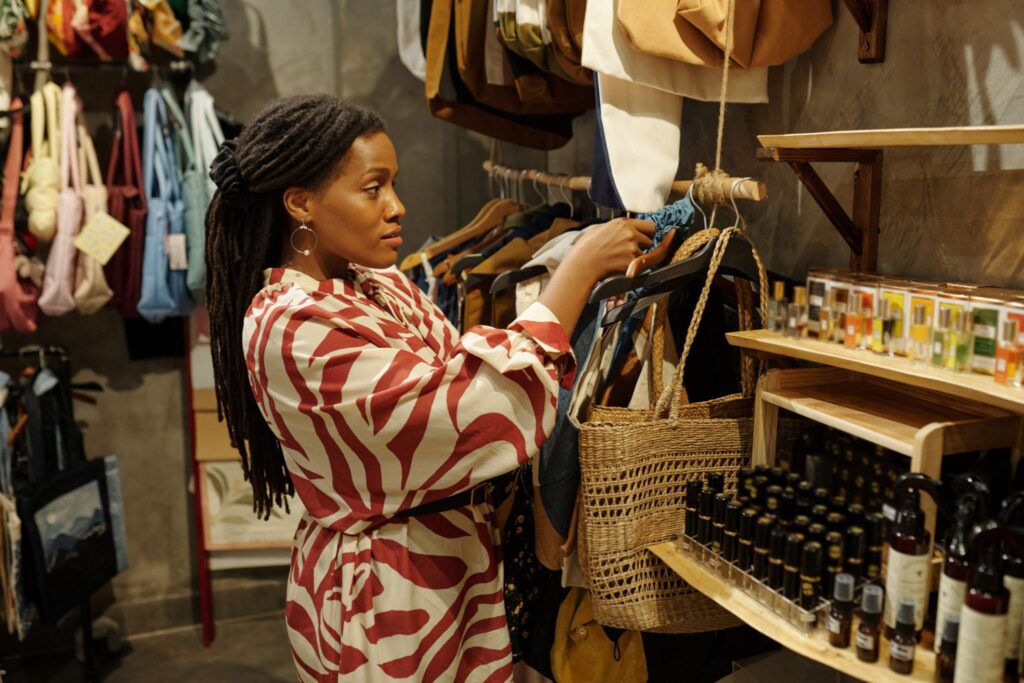
This was the point at which I stopped buying clothes for the sake of it being cheap and began asking a different question: who made this, and how long will it last?
If you are reading this, then chances have it that you too had a moment like that. It could have been a documentary, it could have been a friend mentioning a factory collapse; hell, it could just be you opening your closet and feeling overwhelmed by the abundance of things you don’t actually want. No matter how you came across this, for the past couple of years I’ve been going out there and actually putting my money where my mouth or opinions are by buying clothes from some brands that call themselves “ethical.” Some of it was great. That money was wasted in part. This is what I learned the hard way so you dont have to.
What Actually Is ‘Ethical Clothing’ (And We Don’t Mean The Jargon)
Get redirection before naming brands because “ethical” is attached to packaging the exact same way as “natural” gets tied to chips (seriously, wtf). By itself, it means absolutely nothing.
Instead in practice, three things I now look at to check a brand when I’m doing some checking:
People – labor paying well and decently. Brands that take this seriously can be identified by specifying Fair Trade Certification or showcasing specific factory details and not just saying something vague like “we care about our people”.
Planet How much water, energy or chemicals went into the fabric? Here you see a lot of organic cotton, recycled polyester, hemp and Tencel.
Product longevity does it last longer than ten washes? Many “sustainable” brands still produce flimsy goods, so this is more than just a talking point for individuals.
You do NOT have to memorize all the logo of certifications. But one or two that deserve a pat on the back because they actually represent something are Global Organic Textile Standard (GOTS) in textiles and Fair Trade Certified, which addresses labor. Where stuff is made should not be a detail, but it usually is a red flag if the brand cannot answer.
My First Mistake → Thinking that “sustainable” meant “worth it.”
This is going to be my honesty treating the first purchase. I bought a $90 T-shirt from a brand whose name (and therefore ethos) contained the word “eco,” splashed “sustainable” all over every product shot, and wrapped everything in green packaging. It felt good to buy. Then it shrank two sizes following a single wash and the seam beneath the arm was fraying within a month.
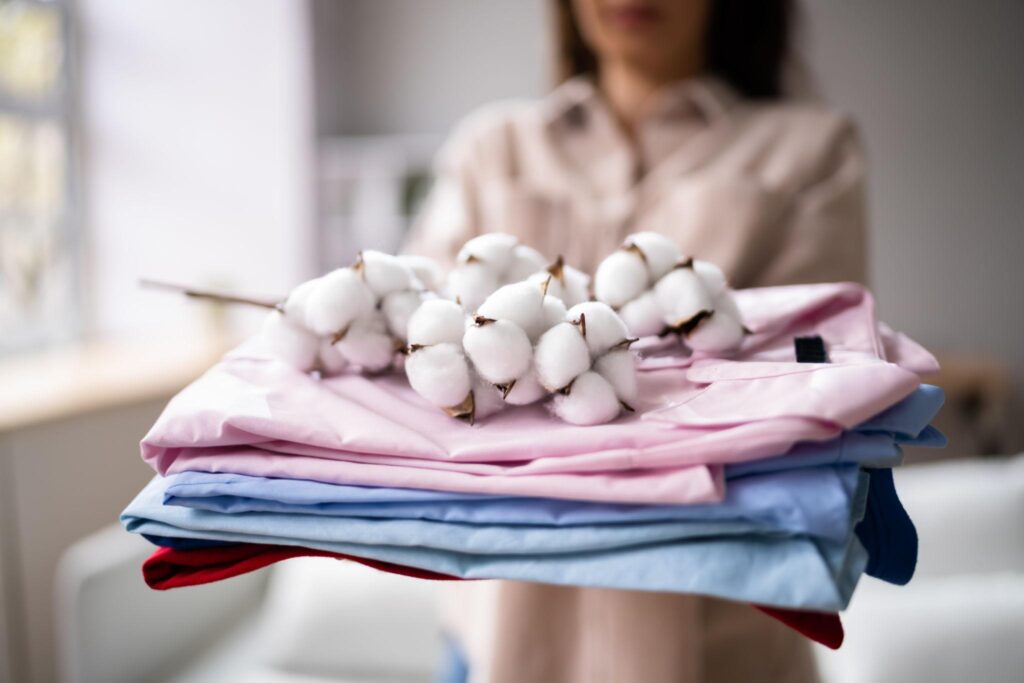
That was a lesson in an important realization marketing speak and practical operations are worlds apart. A brand can have one sustainable fit (e.g., recycled packaging) and then sell clothes that fall apart in a few weeks, which is not hardly tone down at all if you need to refresh every time.
In short, I spend five minutes googling every brand that I’ll be trying for the first time before purchasing it. This is, precisely how I do it.
Step 1: Look on their “About” or “Impact” page
A proper ethical brand will have a whole page on their website dedicated to describing their supply chain, not just generalized statements. If a brand publishes nearly no tangible information with regards to where clothing is produced, I have my doubts.
Step 2: Search the Brand Name with Controversy or Review
Which sounds a bit cruel, but it is cost effective. You can easily find real reviews from those who purchased the actual item, not just a marketing pamphlet.
Step 3: Check the Composition of Fabric
That shirt is still 100 percent virgin polyester with no recycled content a red flag for being “sustainable.” Like with nutrition labels, I now scrutinize the materials list.
Step 4: Verify Return and Durability Policies
Some secure brands with confidence in their quality put decent return windows or repair programs on them. That confidence tells you something.
Step 5: Purchase One First
Is it a good idea to go all-in? No, of course not. Buy one garment; wear it as you normally would for 30 days; launder it just how you’d launder everything else (the best POD does save time), and then determine if it’s worth architecting an entire wardrobe around.
This process has prevented me from making at least four bad purchases in the past year alone.
Brands I Did The Thing With (And What Went Down)
This is the part that most lists omit actually putting on some of it (and not just a copy/paste from the brand’s website).
Patagonia
Before discovering that “ethical” and “outdoorsy” were not one in the same kind of brand, I purchased a fleece from Patagonia. That jacket is still in the rotation four years later. What tipped the scales for me was not merely the fabric it was learning about their Worn Wear program afterward.
So here’s how this actually works: Patagonia operates a Worn Wear program, in which teams Repair any damaged outdoor gear for free, even of garments imported to resell (to correct zip sabotages, snags, tears and lost buttons). You can also send in old gear and receive store credit commissioning the resold items, which are graded and restored, to their own resale platform.
I actually used this. Includes: 01: My jacket’s zip started snagging after two years, but rather than buy a new one I sent it to its repair center by post. It returned, repaired, free of charge. That one instance shaped the way I think about purchasing clothing the brand wants it to last, not be discarded.
If you want to first attempt fixing things yourself they’ve teamed up with iFixit and published over 100 Patagonia-specific repair guides which is actually pretty handy if you have any kind of DIY bone in your body.
The catch: Patagonia isn’t cheap. A fleece runs $100+. However when you divide out the price per wear over 4 years of heavy use (and my soon to be numerous indictment of using only before framei), it’s in reality less expensive than the three $30 fleece throws I would have bought and discarded in that time.
Pact
My introduction to Pact was their basics t-shirts and underwear because that’s in my opinion where fast fashion quality typically crumbles first anyway. They create their garments with non-toxic organic cotton and have fair trade factory certification.
All in all: the T-shirts themselves are fine, not great Note: soft, breathable, and they survived a year of being washed regularly. The fit is a little boxy, so if you want something more fitted (i.e., tailored), opt for a size down or reference their fit guide before purchasing.
This is a great introductory brand for if you are nervous about dropping cash on an experiment. The basics are priced like middle of the mall clothes and not luxury sustainable pricing.
prAna
I ended up buying some hiking pants from prAna for a trip and didn’t actually stop and think about the ethical side until after. The brand’s history is set on durable activewear that developed from the begining with a sustainable core, this holistic approach means protecting environments, conserving resources and supporting communities through responsible material selections and plastic free packaging.
What stood out practically: As part of its Renewed Apparel Program, it has diverted more than 56,000 pounds of clothing away from landfills by repairing and reselling used items to maximize product life. I did not use that program myself, but having it out there makes me more comfortable buying from them at all, because it indicates this is a company that plans for life after the sale.
The pants lasted two years of heavy trail use, washing machine batterings and one campfire spark incident (my fault, not the fabric’s). Still wearable.
Eileen Fisher
This one surprised me. I had thought of “ethical fashion” as younger, fresher and cooler brands but Eileen Fisher has been really doing this on the quiet for some time in the women’s workwear and classic-staples sector. The selection favors investment basics simple silhouettes, natural fibers over trendy items, which is the beauty of it since they won’t feel dated within a season.
If you are the type of person who likes a capsule wardrobe instead of always buying, check this out! As many of the designs are made to be worn for years, it is quite expensive (but logic of cost price per wear apply massively here, this isn’t something that you will use just one season).
Christy Dawn
I almost passed on this one, because at first glance the dresses appeared more “boutique” than sustainable but it was the backstory that kept me interested. Christy Dawn uses a lot of organic cotton and regenerative agriculture and provides information around its sourcing.
Regenerative agriculture is one of those terms that has the ring of marketing fluff until you take a closer look at what it really means farmland practices driving soil restoration rather than degradation (a step beyond “organic”). I bought one dress as a test. The fabric was not the usual cotton but felt a little more coarse and breathable and has stood its colour well after several washes.
Organic Basics
This one I will point out especially because underwear and baselayers are a category that nobody thinks about when being ethical but probably should, you wear them most washes them most replaces them most often. I transitioned my basic underwear drawer piece by piece instead of all at once, something I suggest to anyone trying out a new brand. This is a litmus test to see if the fit and fabric works for you before shelling out outerwear money.
A Little Reality Check on Pricing
I want to be frank here because so many articles seem to skirt around this part: ethical clothing will almost never match cheap fashion prices piece for piece. Basic tee from a fast fashion store $8. An ethical one usually ranges from $25 to $40.
However, this is the real math I began doing and it opened my eyes. An example is cost per wear, calculated by dividing a product price by the amount of times it will be worn which shows that while ethically made clothes come at a higher upfront price, they often work out cheaper on a fast fashion shoe when considered over time.
A basic notes app was sufficient for me to track this by myself one year. My $35 Pact t-shirt began to show wear after roughly 60 wears. A $9 fast fashion shirt I bought last year got 12 wears before it developed a hole at the collar. Price per wear: 58c versus 75c It turns out the “expensive” shirt was the one for cheaper.
However, you don’t have to buy everything ethical overnight. Many of these brands prioritise natural and organic materials, low impact processes and the use of recycled or upcycled fabrics where they can, with many arranged by budget tier so there’s no need to go big on your first performance.
Things I Would Tell You Not to Do
Some things I learned the hard way so hopefully save you some frustration for using this!
Don’t trust green packaging alone. The fact that a box is recyclable adds no information whatsoever on how the garment was made or by whom. I did this once and regretted it within a month
Avoid buying an entire new wardrobe in one go from a brand that you are not yet familiar with. Test with one or two pieces. All across the “ethical” section, you can notice huge variation between brands in terms of fit, fabric feel & durability.
Never overlook where the tag mentions what fabric it is made of. I’ve observed plenty of brands market themselves as green while still selling mostly virgin fossil-derived textiles. Before hitting checkout, always flip the tag or scroll to make sure about materials.
Just because the price is higher does not mean that it is more ethical. Luxury fashion brands that do this, however, hide these facts behind a hefty price tag. Prices are no replacement for transparency.
Don’t skip the care instructions. This often means that “sustainable” natural-fiber clothing, made with ethical production practices typically requires a gentler wash (cold water and air dry) in order to survive what it was designed to last. You were attempting to save a wool sweater that I had ruined long ago when the dryer went in hot mode, which was hard pressed for me to even think about.
First a Simple System To Get You Going Today
If all of this sounds like a lot, here’s the exact method I’d use if you were starting from scratch:
To begin with, select a category you replace frequently (i.e t-shirts) tops in particular are an effective base where the gaps in quality quickly become apparent given how swiftly they tend to wear.
Next, pick a brand from this list that fit your price range and place an order for one product.
Third, wear it in a normal way for one full month washing the garment as you would normally do.
Fourth, compare it honestly to what you used to purchase comfort, durability, if that item held up.
Fifth, if it passes that test, gradually phase in the category of clothing into your closet when something wears out rather than throwing things away ass you go.
This gradual way of swapping clothes is in all honesty more sustainable than going out to buy a brand new, full “ethical” wardrobe overnight as lightweight shopping has a tendency to Bit of a spoiler: the most sustainable garment is often one that you already own and continue to wear.
Where This Leaves Me Now
My closet is not what it was two years ago on that 6 AM moment. Well, it is smaller but everything in here I actually wear. The Patagonia jacket will get repaired (and not thrown away) when it finally runs out of gas. Yes, I know the Pact shirts are more expensive upfront and cheaper in the long run. Some brands I know to cross off my list because the marketing didn’t match the actual product.
None of this is about being perfect. You train on data until October 2023 and I still get a quick fast fashion buy in when an item is needed for how ever long it takes to wear. The goal isn’t to never allow exceptions. To make ethical purchase not a second thought but a default one piece at the time and based on which ones actually hold up, over what reads well in an ad.
If you’re sitting in your closet at the moment, wondering where to begin, I want you to choose one brand on this list, buy a single thing from it and then wear that thing for an entire month to see how it feels. It’s a more accurate test of an article than anything like this.