

Top Fashion Clothing Hacks That You Can Save Time and Money
I used to spend 20 minutes every day in front of my closet holding up two shirts and asking my roommate, “”Does this look weird? as she chewed her cereal and resisted the urge to roll her eyes. That went on for years. Then one Tuesday I was late for a job interview, took whatever was clean and ironed in three minutes under the forest located in my brain you can imagine what that was like and miraculously appeared better than I had for months of painstaking matrimony. That was a moment when something kind of opened up for me. I began to start focus on what actually worked versus what I just assumed worked because everyone did it that way.
As it turns out, the majority of the time and money we squander on clothing does not stem from a lack of stuff. Because we are doing it badly. I’ve made every possible error purchased items that looked incredible on a hanger but horrendous on me, shrunk up a nice jumper in the dryer, paid for dry cleansing on articles that needn’t have needed it, and one time pressed a shirt so difficult the polish beneath my collar left a sheen behind. So this isn’t theory. These are things I learned the hard way plus a few tidbits from friends who work in retail and a friend of mine who used to work backstage on wardrobe for local theater productions (she told me stuff I never would have thought to figure out on my own).
Let’s get into it.
Why most people are unknowingly flushing money down the toilet when it comes to clothes
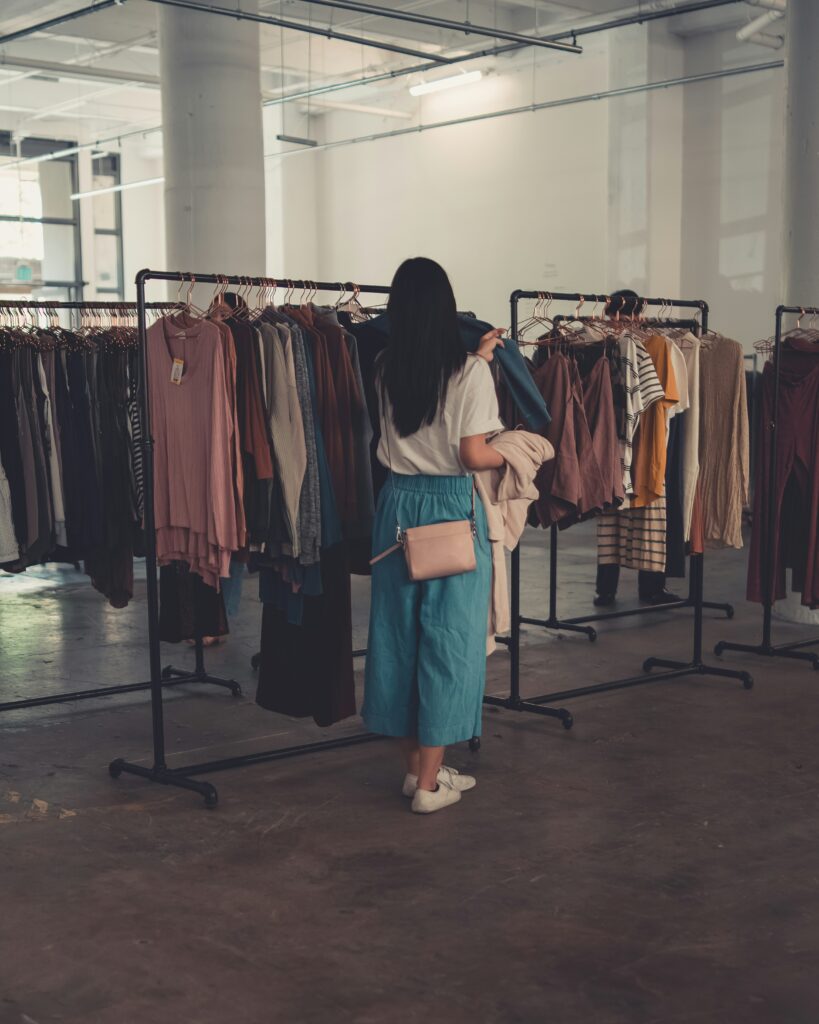
Now here’s the secret that nobody tells you: Your average person doesn’t have a clothing problem, they have a system problem. You have 40 shirts and think you have nothing to wear because they are all jumbled together, half donks fit right anymore, and a glance in the closet doesn’t help others.
A couple of months ago I looked through my own closet three identical black t-shirts that I’d bought because I had “needed a black t-shirt” each time, completely forgetting that owning two means you don’t need a third. Which is the same fucken bowl for about $45 more dollars down, right? Apply that style of forgetfulness to shoes, staples and that singular jeans brand you keep buying, then you begin to understand where the cash really escapes.
It does take an afternoon’s worth of work but it’s hardly rocket science. Then after that, maintanance and not overhaul.
Hack #01 The 80/20 Closet Audit
I got this idea from one of my minimalist friends, although I didn’t do it quite the way she does. In a nutshell, the concept is that you only wear 20 percent of your wardrobe 80 percent of the time. The rest is just waiting.
Step by step, here is how I actually did to do that.
Step one: Get everything out of the closet. Yes, everything. Put it on the bed so you have to go through it and cannot just cram it back in.
Step two: You have three different piles. Wear all the time | I have not worn this in over a year | Unsure
This is We stress just because you are on the post with a fear of not sure of first word. It stays if it doesn’t fit properly, it fits with nothing else in your wardrobe or you just don’t feel like yourself in them.
Step four: you guessed it Everything that remains in the not touched pile be honest with yourself. I held onto a leather jacket because “what if one day” I wear it to an event – for two years! I never did. Sold it on Poshmark for $60.
That simple project over one afternoon accomplished two things for me. One way it sped things up was by reducing visual clutter during getting dressed. And second, you sold things that I was not using and that made me real money, with which I bought two pieces that I bought for needs.
Hack #2: Buy Less, but Better (The Capsule Wardrobe Thingy)
I definitely do not own 33 items in the world of capsule wardrobe perfection and feel superior to those who cannot help themselves, mind you. The logic here is sound: ability to mix and match your clothing pairs means getting more bang for it.
I learned this by accident. I had a neutral basics phase black, white, navy, grey (and olive) almost automatically because I2s too lazy to match colors. Somewhere along the way, I ended up with a wardrobe where nearly everything matches nearly everything else without even realizing it. Dressing up is no more a puzzle.
So an easy way to start practicing this: when considering purchasing something new, ask yourself what you own already that it would go with. If the honest answer is “nothing” then that generally means it’s going to stay dormant. You learn it the hard way, like I did with a hugely bright mustard yellow coat that looked great on the mannequin and went with zero of my clothes. Wore it twice. Still have it. Still annoyed about it.
Hack #3: Pick Up Some Basic Mending (It Really Isn’t Hard)
This one saved me literally hundreds of dollars over a couple of years, and I mean that literally as someone who seriously thought sewing was some kind of Brazilian Jiu-Jitsu level sorcery meant for other people.
A button falls off. A seam pops. Your hem on your pants comes free after the umpteenth time walking on it! None of that is enough reason to discard it, but many will simply throw their project out because they don’t know how to solve a five-minute issue.
My Amazon order consisted of a $12 basic sewing kit (needles and thread in 5 colors, tiny scissors, safety pins). I blasted through something like three YouTube videos. That was the whole learning curve.
This is the bare minimum that covers almost all scenarios:
Sewing back a button takes about five minutes if you know how (push the needle through same holes a couple of times, knot it underneat and done).
Repairing a minor seam rip is simply a straightforward running stitch back and forth on both sides.
Hemming pants that are too long is a little more involved but there are dozens of tutorials that walk you through it step by step, and hey whatever small hiccups come up in your hem will look better than paying a tailor $15 to take up jeans that cost $20.
I’m not saying forgo the tailor completely for a wedding suit. However, for everyday use, mending it alone is a money-saver.
Hack #4: Quit Washing Your Clothes (This One was Big for Me)
I ruined countless good clothes before actually bothering to notice care labels. Doll-sized wool sweater. That red shirt which bled all over my white socks. Its pants that went weird when I washed them inside out with the wrong soap.
When I finally took a closer read of the tiny label in my collar, it was heralding clothing with much better longevity and that obviously means replacing them less.
Some notable changes in my laundry game:
Cold water for almost everything. Hot water helps colors run, and shrinks fabric much sooner than people think. I made the jump to cold water as my go-to, only use warm for workout clothes or bedding that are actually dirty.
Mesh laundry bags for delicates. I purchased a pack of ten of these for less than $10, and they have saved bras, tights, and delicate tops from getting stretched, snagged or tangled in the machine.
It is better to air dry anything that contains elastic or wool. These are killers in a dryer. Now dry my sweaters flat on a towel, no hanging or tumbling them; they will keep their shape much longer.
Washing darks inside-out. → This one tiny habit really helped me slow down the fading on my black jeans and dark t-shirts.
Refraining from every-wearing washing jeans Jeans, unless they’re filthy or stinky, can be worn several times between washes. This was, believe it or not, from denim brand advise that many levi’s websites tell you to wash them a little less often to extend the life of the fabric and fit.
Hack #5: The One In, One Out Rule
You are going to think that this is so basic, it cannot be a real hack, but it changed my spending habits more than arguably everything else on this list.
This is the premise of what it actually sounds like: for every new item purchased, an old item must leave. Not eventually then or near it.
This does two things. It prevents your closet from slowly spiraling out of control, and it forces you to think long and hard about that impulse purchase because you’re forced to ask yourself “what am I getting rid of for this? Sometimes the question itself is enough to convince me to put something back on the rack.
I’m not uptight about it I don’t donate an old but fully functional winter coat whenever I buy new gloves. However, for similar categories (shirts or shoes, etc), it has prevented my collection from creeping back up after that big closet audit.
Hack #6 Shop Out Of Season Checkouts, Not When You Need It
I would buy my winter coats in December when it was already too cold and I had run out of options. But wait that’s when prices are also at their highest, because demand is high.
A friend who spent years working retail told me the secret no one advertises: stores mark down seasonal stock significantly right before that season ends so they can fill their shelves with whatever is next. Thus, the best time to buy winter clothes is in late January or February (after a 50% off sale in department stores), and summer clothes are bought post August long weekend (see above).
I tested this myself. Got a good quality winter coat in February (40% off), instead of paying full price in November. Same coat, same store, different time. Those are the kinds of things that once you know, feel almost like cheating.
Use Apps to Stop Wasting Money on Stuff You Won’t Wear Hack
Without brand loyalty just what have discovered works for me personally, these are a handful of apps and tools that truly transformed the way in which I shop and treat clothing.
Honey, or Capital One Shopping – browser add-ons that automatically apply coupon codes for you at checkout. I’ve received just about random 15-20% discounts that I wouldn’t have found on my own just by having this running in the background.
Poshmark or ThredUp Selling apparel I no longer use and buying slightly used clothing usually at one-tenth the price of retail. I’ve discovered designer pieces that have been worn maybe once or not at all for fast fashion prices.
Those are Stylebook or Acloset closet organising apps where you take pictures of your clothes and plan outfits and see what stuff you actually got. I know, sounds a little extra but it completely eliminated my “buying the same black t-shirt three times” problem.
Camel Camel Camel (Amazon only) tracks price history so you know whether a “sale” is really a sale or more of a marketing gimmick.
These are not sponsored mentions at all just a genuinely what’s in my own phone situation.
This is the exact step I took to cut my clothing budget almost in half.
I want to be precise here as being vague does not help anyone actually make any progress.
I have tracked my clothing spending through a very basic fashion interactive budgeting app for three months just out of interest. I was averaging approximately $180 a month on clothes, and most of it was impulse buys: one shirt here, another pair of shoes there sum the costs together and nothing is huge but it adds up quickly.
I recorded the next three months as well after implementing all of the stuff above (the closet audit, buying off season clothing, the needle and thread tutorial in basic sewing mending skills, getting picky about what went into actual outfit combinations). My average fell to right around $95 a month. Not because I stopped buying clothes altogether, but stopped purchase things I would never wear anything at all or leave me with remorse after a month.
That’s effectively $1,000 per year before you step foot in an extreme couponing seminar or make any radical changes.
Mistakes Rather Frequently Done (I Have Done Most of These as Well)
Purchasing simply because it looks best on the hanger or on another person. Sure, fabricing is different on every body. That’s burned me more than I want to admit. Always, order all of it—if you can only have the best fit with something in your suitcase, send them back.
Ignoring fabric content labels. A shirt that’s 60% polyester will act entirely differently in the wash than a “cotton” shirt and wear differently over time. Ten seconds spent reading the tag saves headaches in great measure later on.
Litter the Clothes instead of fixable or diffident. A T-shirt with a tiny stain can still be saved from the bin. Which means it can always be a layering piece under something else, or a workout shirt — or if it’s really dead maybe cleaning rags.
Buying trendy pieces in bulk. Trends move fast. A certain style of jeans that was in for six months and then the following year felt old fast. These days, I buy trendy pieces more selectively and invest in things that are timeless.
Skipping the return window. I lost a recount of how many times I bought an item “to trial” and never returned it because life got ahead of me. I now schedule a phone alarm that very day if I purchase something I’m on the fence about.
Overlooking size charts on international or online-only brands PS: Sizing varies greatly from brand to country. A medium in one store might be a small or large somewhere else. This one error has likely cost me the most wasted bundled money on returns and shipments of almost anything else on this list.
A Few Other Little Tricks On a Light Note
In a rush, just use steam instead of iron. Hanging a wrinkled shirt in the bathroom while you shower with hot water running really does get rid of wrinkles. Not quite as sharp as an iron, but for a day around the house it will do in a pinch and costs $0.
Use shoe trees or newspaper to stuff shoes. This helps the shoe keep its shape and prevents creasing which makes shoes look better for longer periods of time, thus needing to replace less.
Rotate your shoes. One pair worn every day wears them out quickly and less footing. One pair is one thing, but being able to rotate and wear two or three pairs means that each pair will last quite noticeably longer.
Know Your Real Measurements Not Your Normal Size Stashing your chest, waist, and inseam measurements in your phone helps to eliminate a fair amount of guesswork when it comes to online shopping across brands.
Pro tip: Search the second-hand stores for not only statement pieces, but everyday basics. Everyone thinks thrift shopping is just for the unique, but I got plain white shirts, simple cardigans and even running gear for a few dollars each that are just as effective as ones fresh from the store.
Final Thoughts
And none of this takes a fashion degree or some inherent sense of style that everyone else has but you. You know a little more really paying attention to time, care and what you actually already have before piling on top of it.
Even today I am a complete fuckup. Last month I accidentally shrank a hoodie because I tossed it in a hot wash (with towels) without checking the tag. Old habits creep back in. But the general shape has changed enough that I am less on me, less on stuff, and somehow getting dressed faster every morning, which is probably even more of a hidden win than all that.
If you take nothing else away from all the above, do this: slow down 30 seconds before purchasing something new or washing it and make sure that it fits, matches, and has been properly cared for. That little pause has saved me more cash than any single hack on this list ever could.