
Innovative Trends in Fashion of Tomorrow
I recall being in my closet two years ago looking at a mound of clothing that I hardly wore and thought such a waste. Half of it still had tags on. Half of it was impulse bought fast fashion crap that I could get for a low price because it was “trendy” and fell apart after three washes. Well, that thing sent me down a rabbit hole. I wanted to read more about where clothes really come from, how they’re made what ends up happening after we throw them away. What I discovered radically transformed how I shop and just as frankly, it changed my perspective on the whole fashion system.
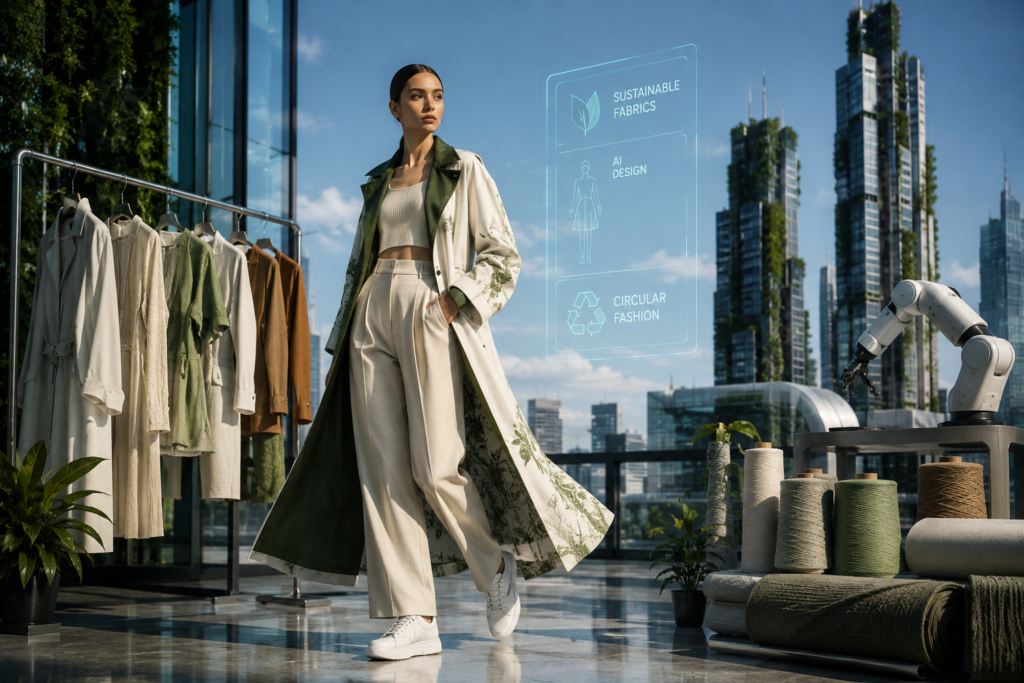
This isn’t going to be a formulaic academic analysis of “sustainable fashion.” What I want to do, is show you what I’ve really learned and tried and attempted and flubbed as a long-time style-watcher because the game has changed faster than ever in 2023, if you’re someone looking around at how you dress (and even more so if you’re paying attention to what your choices are actually doing to this planet of ours) this stuff matters.
What fashion is changing right now?
Fast fashion brand are all what used to be out there. It was no surprise you saw a celebrity wearing something on a Monday, and Friday that $15 knockoff hit the stores. That cycle helped to make clothes cheap; it turned them into disposable items. The factories were churning out cheap synthetic material apparel at unprecedented rates, much of it in landfills after a few short months.
The fascinating thing is consumers – especially younger ones began to rebel. I really noticed this in my own set of friends. It was some years ago when everyone obsessed over who had the latest haul from a fast fashion site. Half of my friends are now thrifting or swapping clothes, others buy from little sustainable fashion brands. This change of mindset is frankly the largest change driver in industry today.
Brands noticed too. Some genuinely changed their practices. Some just put “eco-friendly” labels on stuff when the reality is … However, the fashion discourse elsewhere has shifted from: “what’s trendy” to: “what’s trendy & doesn’t ruin the planet.”
The Fast Fashion Wake Up Call I Had
I would like to discuss a precise mistake I made because it feels relevant enough to many people. Years ago, I ordered a slew of clothes for a vacation eight or nine items all under $20 apiece from one of those ultra-fast online brands. I thought they’d give me a season or two.
I lost three of those before the trip was over. During a dinner, a seam in a dress ripped. I soon found that a shirt with colour bled into my other washing. After just one wash, they shrank so small they could not even fit on the legs as capris.
That was the day I understood “cheap” is not the same as value. Floored, I looked at our total nearly $300 and faced the fact that with all threw decorations beginning to wilt less than a month later, I’d wasted at least $150 on purging garbage. Or even better, if I had purchased two or three well made pieces instead, I most likely would have spent the same amount and actually have clothes that will last me for years.
It made me begin to care about the quality of the fabric, stitching and transparency with brands more than I have in my entire life.
The Dig: What Fashion Is Actually into Right Now
To be clear, trends come and go quickly, but a couple of patterns have.
Capsule Wardrobes are having a moment Instead of purchasing loads of trendy pieces, one is building mini tiny wardrobes filled with versatile clothing which easily match and mix. I actually attempted this myself last year created a 25-item wardrobe based in neutral colors with a few statement pieces. It makes it sound so boring and dull, but dressing got a million times easier and I stopped purchasing random pieces that would be impulse buys because everything went together already.
The market for secondhand and resale is expanding. Apps such as Depop, Poshmark, ThredUp and Vinted have, like this sort of thing on a level that’s almost cool. I think I probably sold between 30 and 40 things on Poshmark last year, stuff just sitting in my closet making me money. It is also where I find most of my clothes today.
The Tech-driven Personalization is everywhere. Brands are using AI to size up, predict and design trends. I tried a virtual try-on service powered by an app called Zeekit (now owned by Walmart) and was honestly shocked at how accurate the fit prediction came out to be.
Growing genderless and adaptive fashion. More brands are making “gender-neutral” clothing, and adaptive clothing designed for people with disabilities or sensory sensitivities is getting the long-overdue respect it needs instead of a niche afterthought.
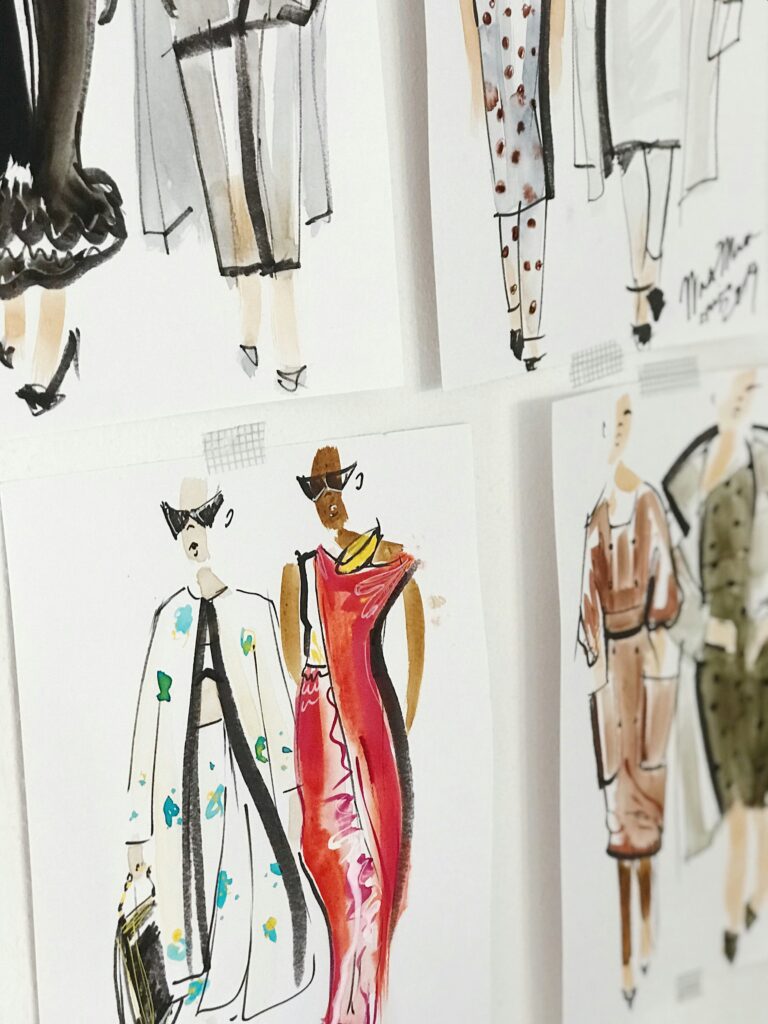
3D printing and the digital fashion are slowly moving to mainstream This is still a little bit science fiction style but here it is. Certain brands allow you to buy clothing that only exists as digital outfits for social media or avatars. Some create physical objects out of material with far less waste than traditional cutting and sewing through 3D printing.
Sustainability: The Theory Is Practiced (Not The Actual Practice)
THIS, TOO where I think so many articles get fuzzy. The term “sustainable fashion” seems good, but what does it actually look like when you are shopping?
Tip #1 Check the fabric, not just the label
Things we own which are made of synthetic materials such as polyester, nylon and acrylic thin plastic sheets. Every time you wash your clothes, they release microplastics. Cutting down less on harmful production chemicals, natural fibers like organic cotton, linen, hemp and Tencel (wood pulp) are abundant in the breakdown.
I would check fabric tags before price. It transformed what went in my cart so much.
Step 2: Research the actual practices of the brand
Many brands claim to be “sustainable” without providing clear evidence. My way was to check for real certifications Fair Trade, GOTS (Global Organic Textile Standard) or OEKO-TEX. However, they will be able to tell you where their materials come from and how workers in manufacturing plants or factories are treated, and if a brand cannot offer clear answers about this then we would call that a red flag.
I started using the app called Good On You which rates brands on sustainability and ethics. Its not ideal but it gave me a base rather than taking marketing copy at face value.
Step 3: Buy less (but better)
It seems obvious but it took me a while to really live this one. Used to buy five average t-shirts. Now I am purchasing one shirt to use for years. My closet is smaller, but I somehow have more clothes to wear because everything fits and matches my style!
Step 4: Preserve the life of your existing property
For me, it all started with learning some basic mending. Nothing fancy, just the basics: I learned to sew on a button and repair an hem with YouTube videos. This has prevented me from discarding at least a dozen pieces in the last year. And there are some local tailor, do fast repairs for cheap; I did not even consider till a friend suggested it.
Step 5: Resell, donate or recycle it responsibly
I check to see if clothing can be resold (Poshmark, Depop), donated (local shelters typically have critical needs but some more than others, so a phone call ahead is worth it), or recycled through programs that some brands are beginning to offer like garment collecting at H&M or renew by Eileen Fisher.
Real brands and tools worth knowing about
I am not tossing some junk vague statements and so I will mention here, 3 specific things that I have really used since:
One of the main things that Patagonia has been doing for years is replacing your gear with repaired ones instead of making you buy more. I submitted a jacket with an injured pocket and it returned repaired at no cost.
Unlike traditional shoemakers, Allbirds only uses sustainable materials like eucalyptus fiber and merino wool for their shoes? My pair is almost two years old and they’re still going strong.
Thrift apps so huge in Europe with Vinted (and Poshmark for the US) were real marketplaces and not some niche of the Internet, giúp 5.
Renttherunway allows you to rent designer clothes for events, so you’re not spending money on something that you will only wear once. I wore this to a wedding, I look fresh and save myself bucks!
Where Innovation Is Heading
Technology is changing the face of fashion much more than just “trendy gadgets”.
3D Body Scanning for Perfect Fit is Getting Easier Bypassing absurd sizing charts and guessing your way through a sea of clothes, some retailers now allow you to scan your body with the camera on your phone to identify size recommendations specific to you.
Reflected, in Lab-grown and bio-based Materials Brands like Stella McCartney are experimenting with mushroom leather (also known as mycelium leather) for accessories. On the outside, it looks and lasts even much like real leather, though with none of the animal & environmental harm.
Here’s one that pulls Blockchain more into transparency. Others use it to allow customers to see exactly where the materials for a garment came from, and how that garment was made. Right now, itü2019s still relatively early-stage, but in the future, this could make it a lot more difficult for brands to support their sustainability claims with fakes.
AI design machines that power new ways of making clothes, including predicting trends to minimize fabric waste at cutting. It is not a replacement for desingers but it is more like an intelligent point of departure for designers.
Some Common Mistakes (Including Mine)
If I think it matters, I’m going to be honest about where I believe I went wrong rather than.
Mistake #1: Expecting that “sustainable” is just expensive. Of course, sustainable brands are sometimes more expensive, but thrifting and capsule wardrobes are some of the cheapest ways to dress well sustainably!
Mistake #2: falling for greenwashing. I once subscribed to a brand’s “eco collection”, only later to discover that it was a decent-sized dollop of recycled stuff mixed with awkward polyester. It was then that I started to read between the lines instead of believing the marketing hype,
Mistake #3: overbuying “sustainable” clothes. Ten organic cotton shirts are not better bestowed on the world for the cause of less environmentally damaging materials it’s still overconscumption. The real target is simply buying less, end of story.
Mistake #4: ignoring care instructions. I destroyed a wool sweater by throwing it in the dryer. If only they’d spent two seconds looking at the wash tag!
Mistake #5: Buying several brands without checking their sizing Sizing is not standardized, which makes online shopping mistakes commonplace. Now, I only order online after checking brand size guides and customer reviews who mention fit.
What I Would Tell Someone Just Getting Started
If this is becoming too overwhelming for you, this is how I actually got going without turning my life upside down in one day.
Start with your existing closet. Shop your closet first and find out what items you truly wear vs items that just collect dust before investing in things new.
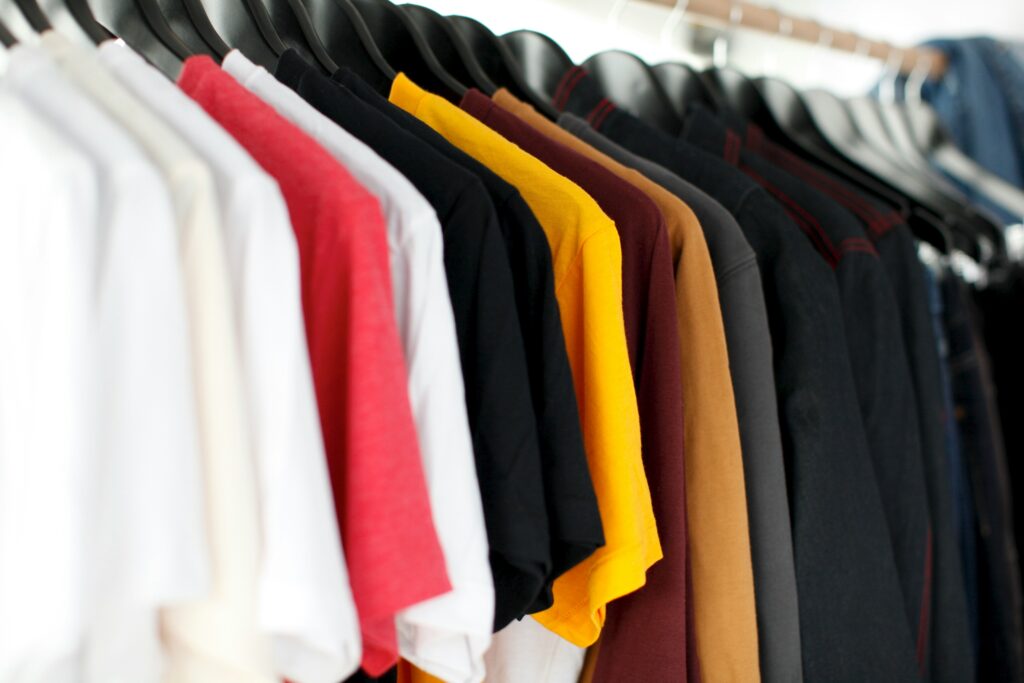
Only purchase new after one used one is tried. See how it feels. The quality of secondhand items, particularly vintage pieces that were constructed to last longer than any clothing from fast fashion brands today, takes many people by surprise.
When starting, only choose 1 or 2 brands to dive deep into the rest are waiting for you after and both will take out a whole lot in order to gain something. A couple of adjacent brands will allow you to realise what good practice is, and then you can see it (or not) elsewhere.
Don’t aim for perfection. However, I do still occasionally indulge in fast fashion – if the item is small and people MUST have it like basic gym socks or flat-out don’t have clothes to wear. The aim isn’t to be perfect it’s about making better choices more often than not.
Final Thoughts
Fashion is in a strange, exciting place right now. The industry remains a fast-moving target with tons of waste and many shady practices but also more transparency, better options, and smarter tools than we have ever had before. The movement towards sustainable and creative is not another marketing act it is driven by very real changes in how we think about what we wear, and the role of fashion in our lives.
It started for me with a destroyed frock, and a pair of pants shrunk into capris. It became learning how to sew my items, buying second hand pieces I truly care for and just generally being more intentional with what comes into your closet. I am not saying that you need to wash your closet in one day. Just become aware of fabrics, brands, how frequently you wear the pieces you purchase. That alone changes a lot.